
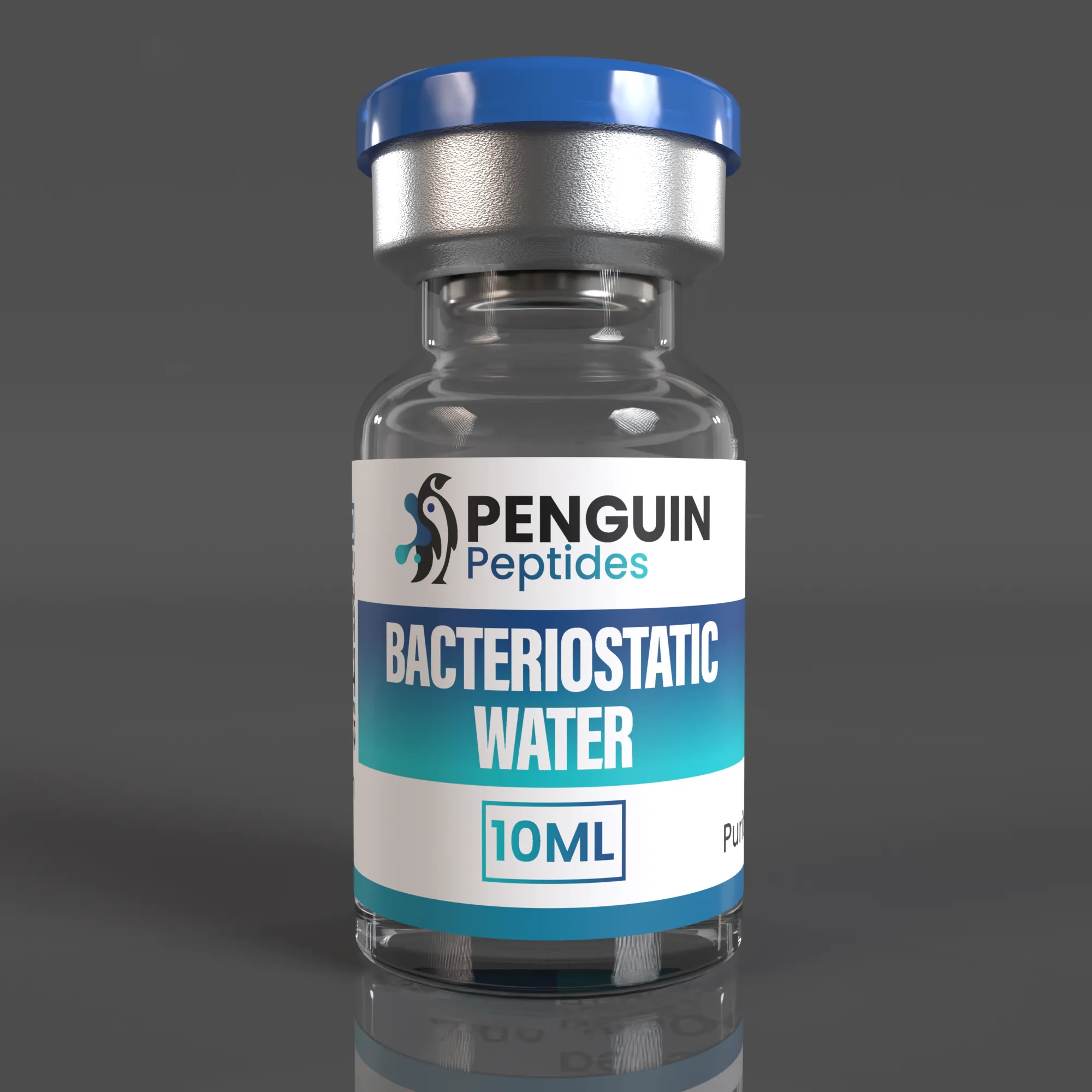
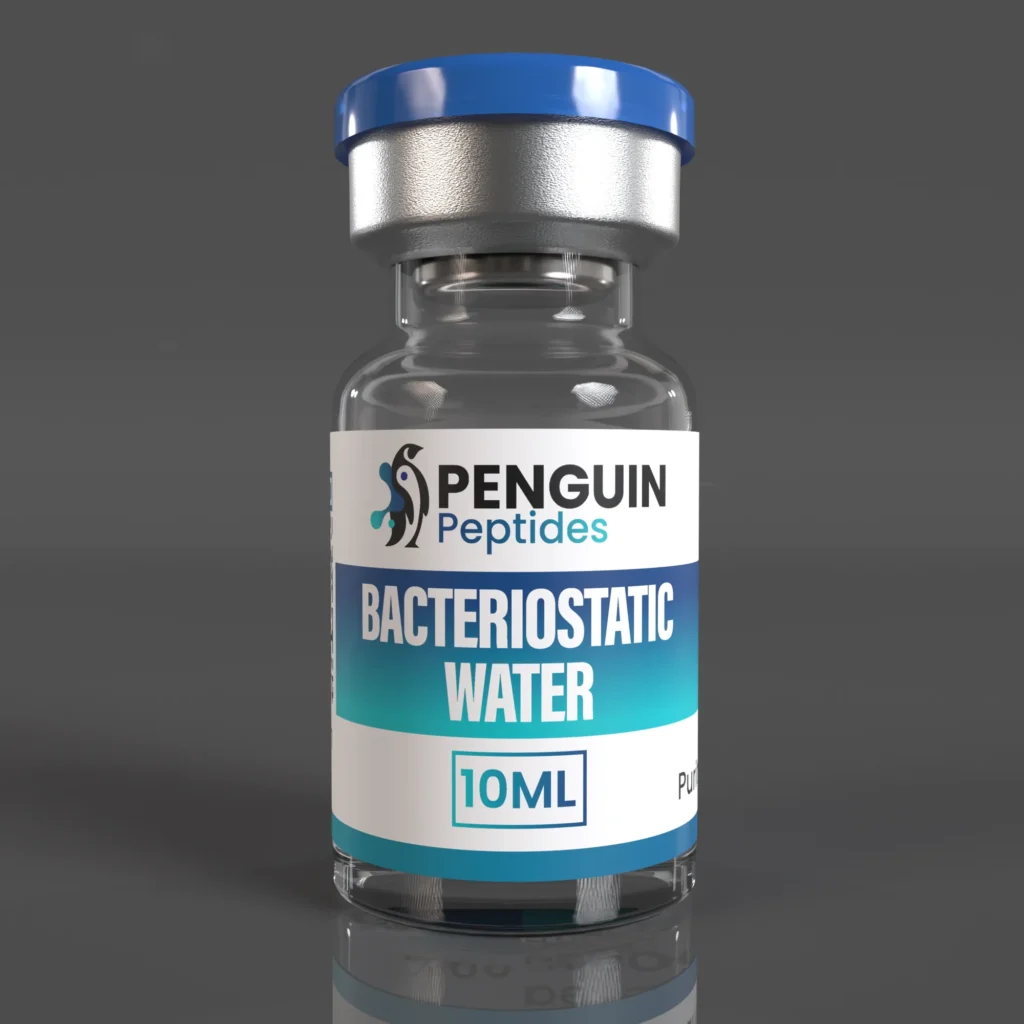
Buy Bacteriostatic Water
Price range: €8.00 through €10.00
Bacteriostatic water is a sterile, non-pyrogenic (fever-free) solution of water for injection that contains 0.9% benzyl alcohol.
The Ultimate Guide to Bacteriostatic Water: Uses, Benefits, and Safety
Whether you are managing a chronic condition, administering hormone therapies, or working in a clinical setting, you have likely encountered bacteriostatic water. It is a staple in medicine and pharmaceutical compounding, but many people are still unsure about what it actually is, how it differs from regular sterile water, and how to use it safely.
In this comprehensive guide, we will break down everything you need to know about peptide, its common medical applications, and the crucial safety guidelines you must follow.
What is Bacteriostatic Water?
Bacteriostatic water is a sterile, non-pyrogenic (fever-free) solution of water for injection that contains 0.9% benzyl alcohol.
The term “bacteriostatic” means that the solution inhibits the growth and multiplication of bacteria. While standard sterile water contains no additives, the addition of benzyl alcohol acts as a preservative. This crucial ingredient allows a single multi-dose vial of bacteriostatic water to be punctured and used multiple times over a specific period without the risk of bacterial contamination.
Bacteriostatic Water vs. Sterile Water: What’s the Difference?
One of the most common questions in pharmaceutical care is the difference between bacteriostatic water and sterile water. While they look identical, their uses are very different:
- Bacteriostatic Water: Contains 0.9% benzyl alcohol. It is designed for multi-dose use. Because of the preservative, it can be safely entered with a syringe multiple times, making it ideal for reconstituting medications that will be used over several days or weeks.
- Sterile Water: Contains no preservatives. It is strictly for single-use only. Once the vial is opened or punctured, it must be used immediately and discarded. It is typically used for diluting or dissolving medications for intravenous (IV) injection.
Note: Never use sterile water for multiple injections, as the lack of a preservative makes it highly susceptible to dangerous bacterial growth after the first use.
Common Uses of Bacteriostatic Water
Because of its multi-dose capabilities, BAC water is primarily used in clinical and home-care settings for:
1. Reconstituting Medications
Many medications, particularly peptides, human growth hormone (HGH), and certain antibiotics, are sold in a freeze-dried powder form. BAC water is injected into the powder vial to dissolve (reconstitute) the medication into a liquid form that can be drawn into a syringe.
2. Diluting Injectables
If a medication is too concentrated, healthcare providers may use BACwater to dilute it to the proper dosage strength for subcutaneous (under the skin) or intramuscular (into the muscle) injections.
3. Flushing IV Lines
In some specific clinical scenarios, it can be used to flush intravenous lines, though standard sterile saline is more commonly preferred for this purpose.
Safety Guidelines and Best Practices
Because BAC water is introduced directly into the body via injection, strict hygiene and safety protocols must be followed.
- Always Use Proper Hygiene: Before puncturing the rubber stopper of a bacteriostatic water vial, always wipe it with an alcohol swab and let it dry. Never touch the syringe needle or let it touch any unsterilized surface.
- Check the Expiration Date: Do not use bacteriostatic water past its expiration date.
- Inspect the Solution: Before use, visually inspect the water. It should be completely clear. If it appears cloudy, discolored, or contains floating particles, discard it immediately.
- The 28-Day Rule: Once a multi-dose vial of bacteriostatic water is punctured, the CDC and FDA generally recommend discarding it after 28 days, even if there is liquid left inside. This is because the preservative can eventually lose its effectiveness against microbial growth.
Who Should NOT Use Bacteriostatic Water?
Because it contains benzyl alcohol, bacteriostatic water is not safe for newborns or premature infants. Benzyl alcohol toxicity can cause a fatal condition known as “gasping syndrome” in neonates. Furthermore, it should not be used for large-volume intravenous infusions; it is strictly meant for small-volume dilution and reconstitution.
How to Store Bacteriostatic Water
Unopened vials of BAC water should be stored at controlled room temperature (typically between 68°F to 77°F or 20°C to 25°C), away from direct sunlight and extreme heat.
Once you have used bacteriostatic water to reconstitute a specific medication (like a peptide), the storage rules change. Always follow the storage instructions of the specific medication you are mixing. Some reconstituted medications require immediate refrigeration to maintain their stability, while others can be kept at room temperature.
Frequently Asked Questions (FAQ)
Can I drink bacteriostatic water? No. BAC water is strictly formulated for injection. It contains benzyl alcohol, which is not meant for oral consumption and can cause adverse side effects if ingested.
Is bacteriostatic water the same as distilled water? No. Distilled water is purified through boiling and condensation but is not sterile in a medical sense and contains no preservatives. It is not safe for injections.
Can I buy bacteriostatic water over the counter? In many regions, including the United States, bacteriostatic water for injection requires a prescription from a licensed healthcare provider.
Final Thoughts
Bacteriostatic water is an invaluable tool in modern medicine, allowing for the safe reconstitution and dilution of vital injectable medications. By understanding the difference between it and sterile water, and by strictly adhering to proper hygiene and storage guidelines, patients and healthcare providers can ensure safe and effective medication administration. Penguin peptides coupon
| MG | 10 ml, 3 ml |
|---|
Related products
Reconstitution water
€15.00