
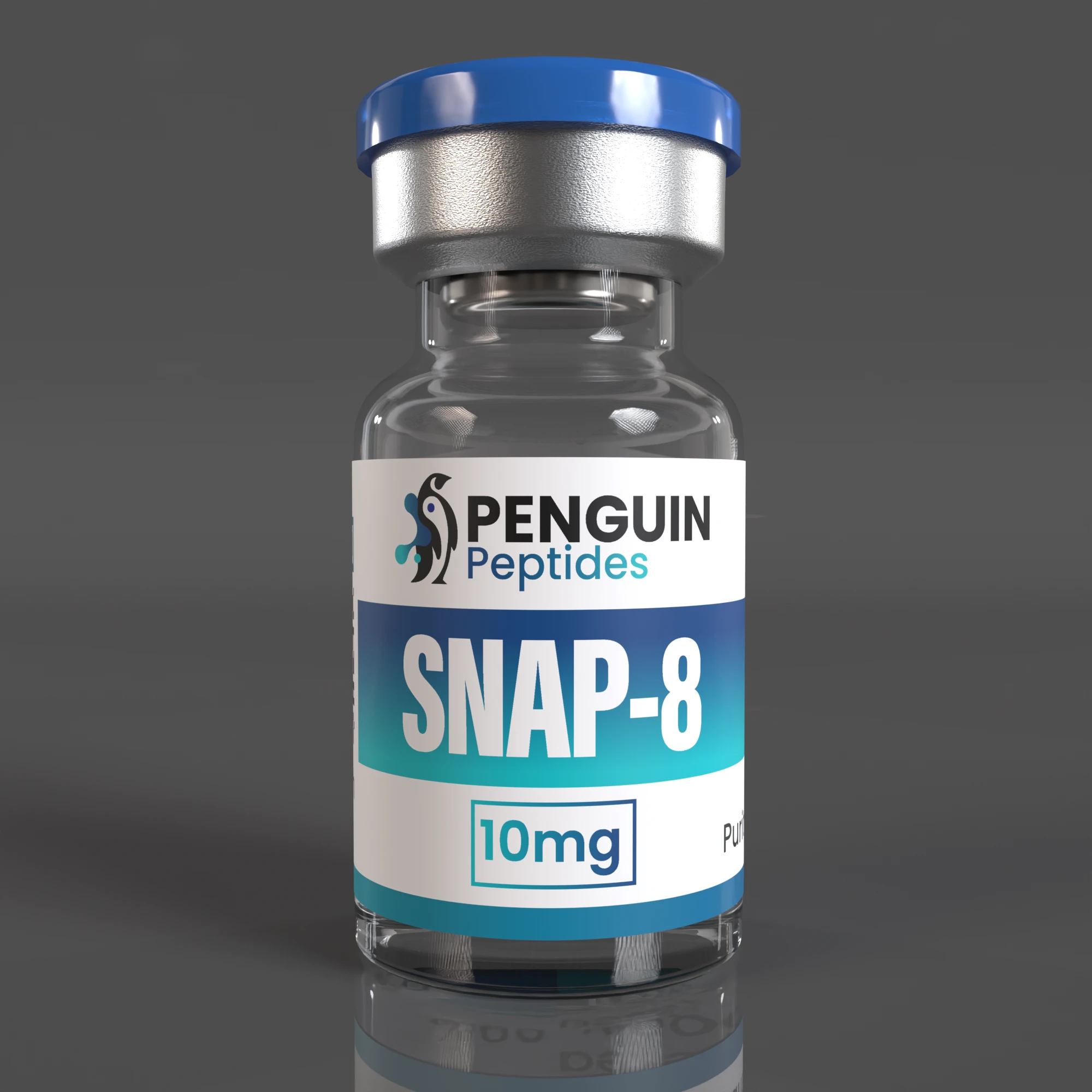
Snap-8 10mg: Benefits, Uses, and Skincare Formulation Guide
When it comes to non-invasive anti-aging solutions, peptides have taken the skincare and cosmetic chemistry world by storm. Among the most sought-after compounds is Snap-8 10mg, a highly concentrated lyophilized powder renowned for its ability to smooth expression lines and promote a youthful complexion.
Whether you are a cosmetic formulator, a skincare enthusiast, or a researcher looking into peptide applications, understanding how to properly utilize Snap-8 10mg is essential. In this comprehensive guide, we will explore what Snap-8 is, its dermatological benefits, and how to correctly reconstitute and formulate it for topical use.
What is Snap-8 (Acetyl Octapeptide-3)?
Snap-8, scientifically known as Acetyl Octapeptide-3, is a synthetic octapeptide. It is essentially an extended version of the famous anti-aging peptide Argireline (Acetyl Hexapeptide-3/8).
By adding two additional amino acids to the peptide chain, Snap-8 becomes more effective at stabilizing the SNARE complex. In simple terms, it works by mildly inhibiting the neurotransmitters that cause facial muscle contractions. This mechanism helps to soften dynamic expression lines—such as crow’s feet, forehead lines, and smile lines—making it a popular topical alternative to injectable neurotoxins.
Why Choose Snap-8 10mg Vials?
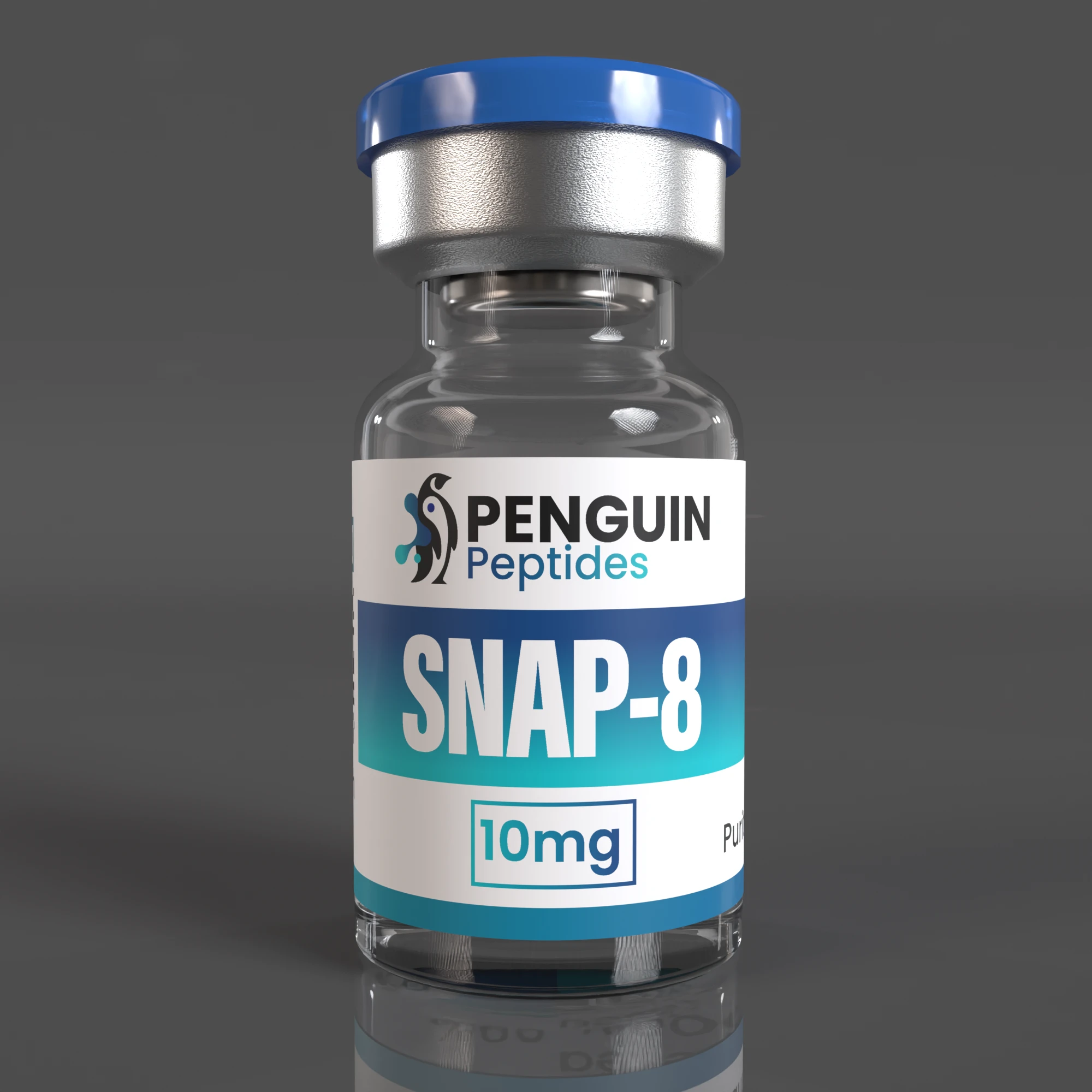
When sourcing raw peptides, you will frequently encounter Snap-8 10mg vials. The “10mg” refers to the net weight of the lyophilized (freeze-dried) powder inside the glass vial.
Choosing the 10mg size offers several distinct advantages:
- Ideal for Trial Batches: It provides the perfect amount of raw material for formulators testing new serum or cream recipes.
- Cost-Effective Research: It allows researchers and indie skincare brands to study the efficacy of Acetyl Octapeptide-3 without committing to bulk, high-cost orders.
- High Purity: Reputable suppliers provide the 10mg vials in a sterile, vacuum-sealed environment, ensuring the peptide remains stable and potent until reconstitution.
Top Skincare Benefits of Snap-8
Incorporating reconstituted Snap-8 into topical skincare formulations yields several impressive benefits for the skin:
- Reduction of Expression Lines: By limiting excessive muscle contraction, Snap-8 visibly reduces the depth of wrinkles caused by repetitive facial movements.
- Improved Skin Elasticity: Peptides signal the skin to support its natural structural proteins, leading to a firmer, more resilient complexion.
- Non-Invasive Alternative: It offers a needle-free approach to managing dynamic wrinkles, appealing to those who wish to avoid Botox or similar injectables.
- Enhanced Hydration and Barrier Support: When formulated correctly in a serum base, it works synergistically with humectants like hyaluronic acid to plump the skin.
How to Reconstitute and Formulate Snap-8 10mg
Because Snap-8 10mg arrives as a dry powder, it must be reconstituted with a liquid before it can be added to a skincare base. Note: Snap-8 is strictly for topical and cosmetic use only.
Step 1: Reconstitution
To turn the 10mg powder into a usable liquid solution, you will need sterile Bacteriostatic Water (water containing 0.9% benzyl alcohol to prevent bacterial growth).
- Add 1ml to 2ml of bacteriostatic water to the Snap-8 10mg vial.
- Gently swirl the vial until the powder is completely dissolved. Do not shake vigorously, as this can damage the delicate peptide bonds.
- Result: You now have a 10mg/ml (or 5mg/ml) stock solution.
Step 2: Dilution for Skincare Formulation
In cosmetic chemistry, Acetyl Octapeptide-3 is typically used at a concentration of 5% to 10% in the final product.
- If you are making a 30ml (1 oz) facial serum and want a 10% peptide concentration, you will need 3ml of your reconstituted Snap-8 solution.
- Add the 3ml of Snap-8 solution to your remaining serum base (which may include distilled water, glycerin, hyaluronic acid, and preservatives).
- Mix gently and package in an airless pump bottle or dark glass dropper bottle to protect the peptides from light and air degradation.
Snap-8 vs. Argireline: Which is Better?
A common question in the peptide community is how Snap-8 compares to its predecessor, Argireline.
- Argireline (Hexapeptide-3): Contains 6 amino acids. It is highly effective at reducing forehead and eye wrinkles but can sometimes cause mild skin irritation in sensitive individuals.
- Snap-8 (Octapeptide-3): Contains 8 amino acids. The extended chain makes it more efficient at blocking the SNARE complex. Studies suggest that Snap-8 can achieve similar wrinkle-reducing results at a lower concentration than Argireline, making it a more potent and cost-effective choice for modern formulations.
Safety, Storage, and Precautions
To ensure the longevity and safety of your Snap-8 10mg peptide, follow these best practices:
- Storage: Keep the unopened, lyophilized powder in a cool, dark place. Once reconstituted with bacteriostatic water, store the vial in the refrigerator (2°C to 8°C).
- Shelf Life: Reconstituted Snap-8 should be used within 3 to 4 weeks. If formulating into a final cosmetic product with proper preservatives, the shelf life will extend to 6–12 months.
- Patch Test: Always perform a patch test when using new peptide formulations to check for topical sensitivities.
- Disclaimer: Raw peptides like Snap-8 10mg are often sold for research and cosmetic formulation purposes. They are not intended for human consumption or injection.
Conclusion
The Snap-8 10mg peptide represents a cutting-edge advancement in topical anti-aging skincare. By understanding its mechanism of action and mastering the reconstitution process, formulators and skincare enthusiasts can harness the power of Acetyl Octapeptide-3 to create highly effective, wrinkle-reducing serums and creams. Whether you are looking to smooth dynamic expression lines or simply elevate your cosmetic formulation game, Snap-8 is a powerful tool in the modern dermatological arsenal.
Frequently Asked Questions (FAQ)
Q: Can I inject Snap-8 10mg? A: No. Snap-8 (Acetyl Octapeptide-3) is strictly formulated for topical, cosmetic application. It should never be injected.
Q: How much bacteriostatic water should I add to a Snap-8 10mg vial? A: Typically, adding 1ml to 2ml of bacteriostatic water is recommended. Adding 1ml yields a more concentrated 10mg/ml solution, while 2ml yields a 5mg/ml solution, making it easier to measure out for larger cosmetic batches.
Q: What is the recommended percentage of Snap-8 in a face serum? A: For optimal results without wasting raw material, cosmetic chemists generally recommend using Snap-8 at a final concentration of 5% to 10% in the finished topical product.
Q: Does Snap-8 work as well as Botox? A: Snap-8 works via a similar mechanism (inhibiting muscle contraction) but is much milder. While it will not provide the dramatic, instantaneous paralysis of injectable Botox, consistent topical use of Snap-8 can visibly soften dynamic wrinkles over time with zero downtime.
Related products
Obesity Research
€55.00
Anti-aging Research
€52.00
Anti-aging Research
Price range: €54.00 through €70.00
Anti-aging Research
€134.00
Anti-aging Research
€124.00
Recovery Research
€42.00
Skin Hair Nail Research
€74.00
Immune Research
€45.00