
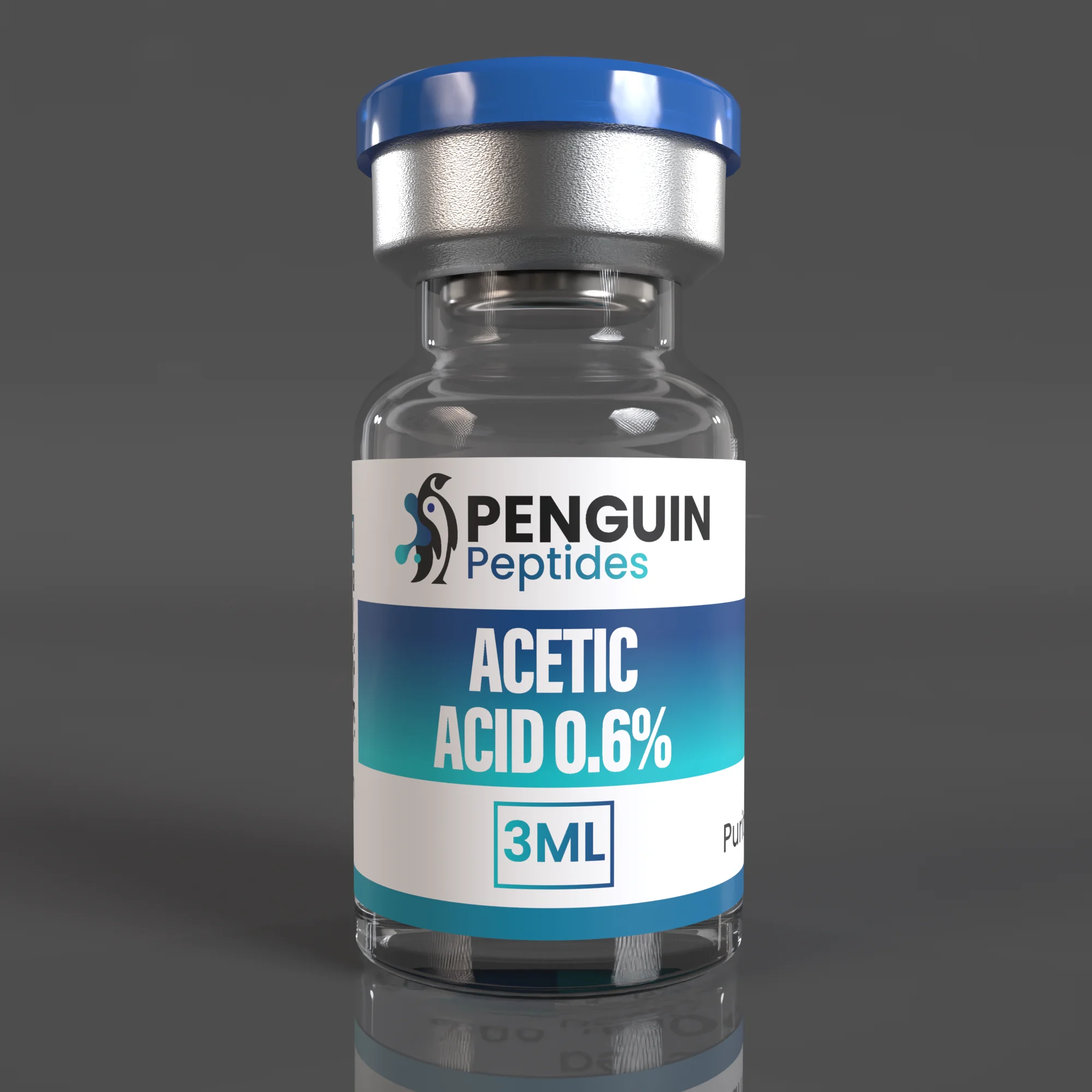
Buy Acetic Acid 0.6%
€15.00
Acetic acid is one of the most versatile and widely used organic compounds in the world. While most people are familiar with its 5% concentration in household vinegar or its highly corrosive 99% “glacial” form, specialized dilutions play a critical role in professional environments. One such specialized formulation is Acetic Acid 0.6%.
The Complete Guide to Acetic Acid 0.6%: Applications, Safety, and Uses
Acetic acid is one of the most versatile and widely used organic compounds in the world. While most people are familiar with its 5% concentration in household vinegar or its highly corrosive 99% “glacial” form, specialized dilutions play a critical role in professional environments. One such specialized formulation is Acetic Acid 0.6%.
Whether you are a laboratory technician, a medical professional, or an industrial manufacturer, understanding the unique properties of an Acetic Acid 0.6% solution is essential for proper handling, application, and safety.
In this comprehensive guide, we will explore what Acetic Acid 0.6% is, its primary applications, how to handle it safely, and how it compares to other concentrations.
What is Acetic Acid 0.6%?
Acetic Acid 0.6% is a highly diluted aqueous solution consisting of 0.6 parts acetic acid (CH₃COOH) to 99.4 parts purified water.
To put this into perspective:
- Household Vinegar: Typically contains 4% to 6% acetic acid.
- Glacial Acetic Acid: Contains 99%+ pure acetic acid and is highly corrosive.
- Acetic Acid 0.6%: Is significantly milder than household vinegar, making it a specialized reagent used where a very gentle acidic environment is required without the harshness of higher concentrations.
At this specific dilution, the solution has an approximate pH of 2.9 to 3.0, making it mildly acidic. This specific pH profile makes it invaluable for delicate chemical reactions, biological assays, and precise pH buffering.
Primary Applications of Acetic Acid 0.6%
Because of its mild acidity and high water content, Acetic Acid 0.6% is utilized across several specialized industries.
1. Laboratory and Analytical Chemistry
In the lab, precision is everything. Acetic Acid 0.6% is frequently used as:
- HPLC Mobile Phase Additive: It is used in High-Performance Liquid Chromatography (HPLC) to adjust the pH of the mobile phase, improving the separation of basic compounds.
- Buffer Preparation: It serves as a foundational component in creating acetate buffers for biochemical and molecular biology research.
- Staining and Decolorizing: In histology and cytology, mild acetic acid solutions are used as coagulants or fixatives in specific tissue staining protocols.
2. Medical and Diagnostic Uses
In clinical settings, highly diluted acetic acid solutions have niche but vital applications:
- Cervical Visualization: While Visual Inspection with Acetic Acid (VIA) typically uses 3-5% concentrations, specific diagnostic assays and laboratory slide preparations may utilize a 0.6% dilution to gently coagulate proteins in cellular samples without destroying the tissue architecture.
- Reagent Formulation: It is used as a base solvent or pH adjuster in the compounding of specific topical pharmaceuticals and diagnostic reagents.
3. Industrial and Manufacturing
In industrial applications, Acetic Acid 0.6% is valued for its gentle corrosive properties:
- pH Control: Used in water treatment and closed-loop industrial systems where a slight drop in pH is needed without triggering aggressive corrosion in metal pipes.
- Textile and Dyeing: Acts as a mild mordant or pH regulator in delicate dyeing processes where stronger acids would damage synthetic or natural fibers.
How to Prepare and Dilute Acetic Acid 0.6%
If you need to prepare an Acetic Acid 0.6% solution from a higher concentration (such as glacial acetic acid), strict safety protocols must be followed.
Basic Dilution Formula: To make 1 Liter of 0.6% Acetic Acid from Glacial Acetic Acid (approx. 99.5%):
- Measure approximately 6 mL of glacial acetic acid.
- Add it to roughly 800 mL of distilled or deionized water. (Always add acid to water, never water to acid, to prevent exothermic splashing).
- Stir gently and allow the solution to cool.
- Top up with distilled water to reach the final 1,000 mL (1 Liter) mark.
Note: For precise analytical work, always verify the final concentration and pH using calibrated laboratory equipment.
Safety, Handling, and Storage Guidelines
While Acetic Acid 0.6% is much safer to handle than glacial acetic acid, it is still an acidic chemical solution and requires proper workplace safety measures.
Personal Protective Equipment (PPE)
- Eye Protection: Safety goggles are recommended. Although 0.6% is mild, splashes can cause eye irritation.
- Skin Protection: Nitrile gloves should be worn during prolonged handling. Brief skin contact may cause mild irritation but is unlikely to cause chemical burns.
- Clothing: A standard laboratory coat or industrial apron is sufficient.
Storage Requirements
- Store in a tightly sealed, chemically resistant container (HDPE plastic or borosilicate glass).
- Keep in a cool, dry, and well-ventilated area away from direct sunlight.
- Store away from strong oxidizing agents, strong bases, and reactive metals.
Frequently Asked Questions (FAQs)
Is Acetic Acid 0.6% safe for skin contact?
While significantly milder than higher concentrations, Acetic Acid 0.6% is still acidic (pH ~2.9). Brief, accidental contact is generally harmless if washed off with water, but prolonged exposure can cause skin irritation or dryness. Always wear gloves when handling it in a professional setting.
How does Acetic Acid 0.6% compare to household vinegar?
Household vinegar typically contains 5% acetic acid. Therefore, Acetic Acid 0.6% is roughly 8 times weaker than standard white vinegar. It will not have the same culinary taste or aggressive cleaning power of household vinegar, as it is formulated for precise scientific and industrial applications.
What is the shelf life of Acetic Acid 0.6%?
When stored properly in a sealed container at room temperature, an Acetic Acid 0.6% solution is highly stable and can last for several years. However, for analytical laboratory use, it is best practice to check the expiration date on the manufacturer’s label or prepare fresh batches periodically to prevent microbial contamination.
Conclusion
Acetic Acid 0.6% is a highly specialized, mildly acidic solution that bridges the gap between harsh industrial chemicals and everyday household products. Its precise pH and gentle formulation make it an indispensable reagent in analytical chemistry, medical diagnostics, and delicate industrial processes.
By understanding its properties, applications, and safety guidelines, professionals can leverage Acetic Acid 0.6% to achieve accurate, reliable, and safe results in their respective fields. Best research peptide supplier.
Related products
Reconstitution water
Price range: €8.00 through €10.00