
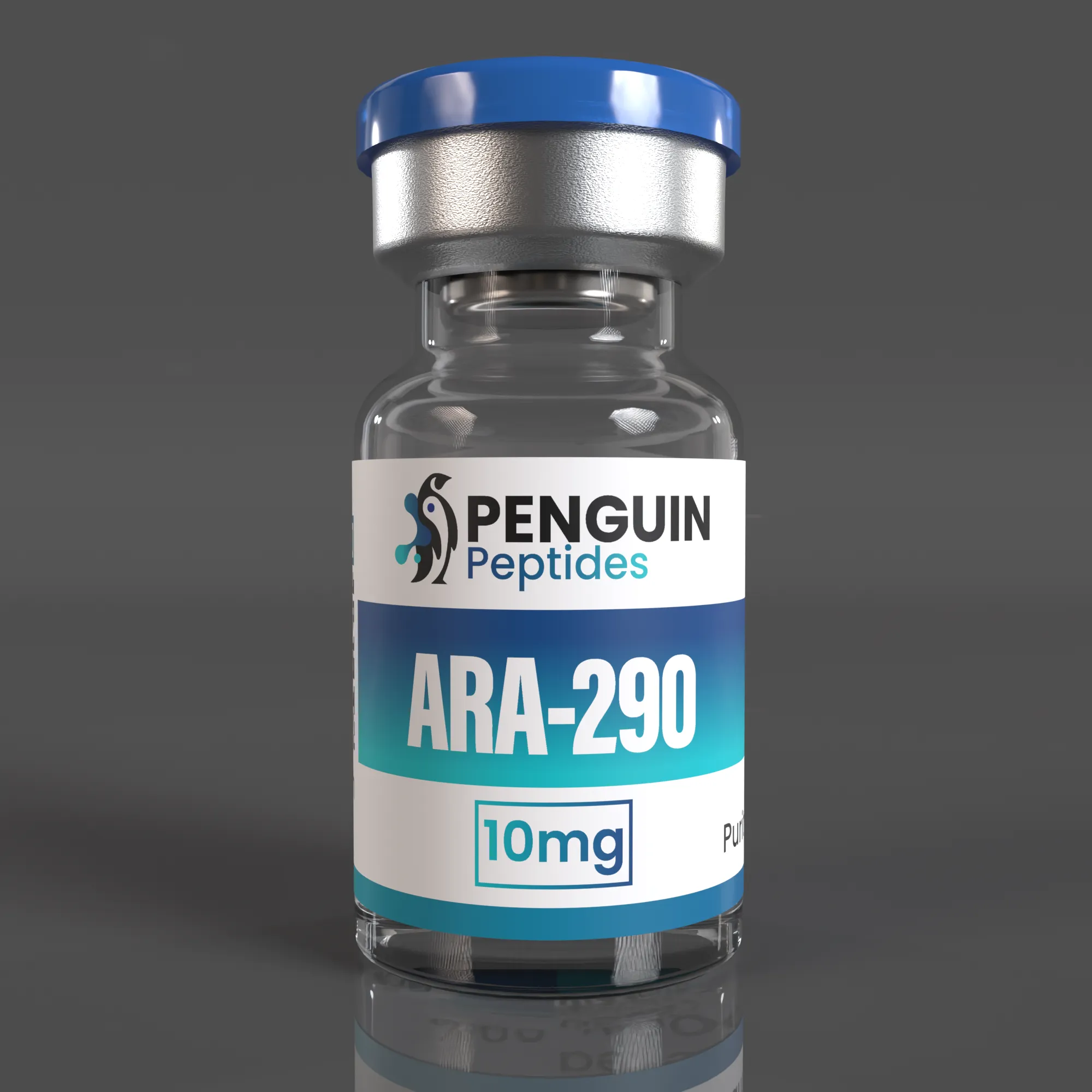
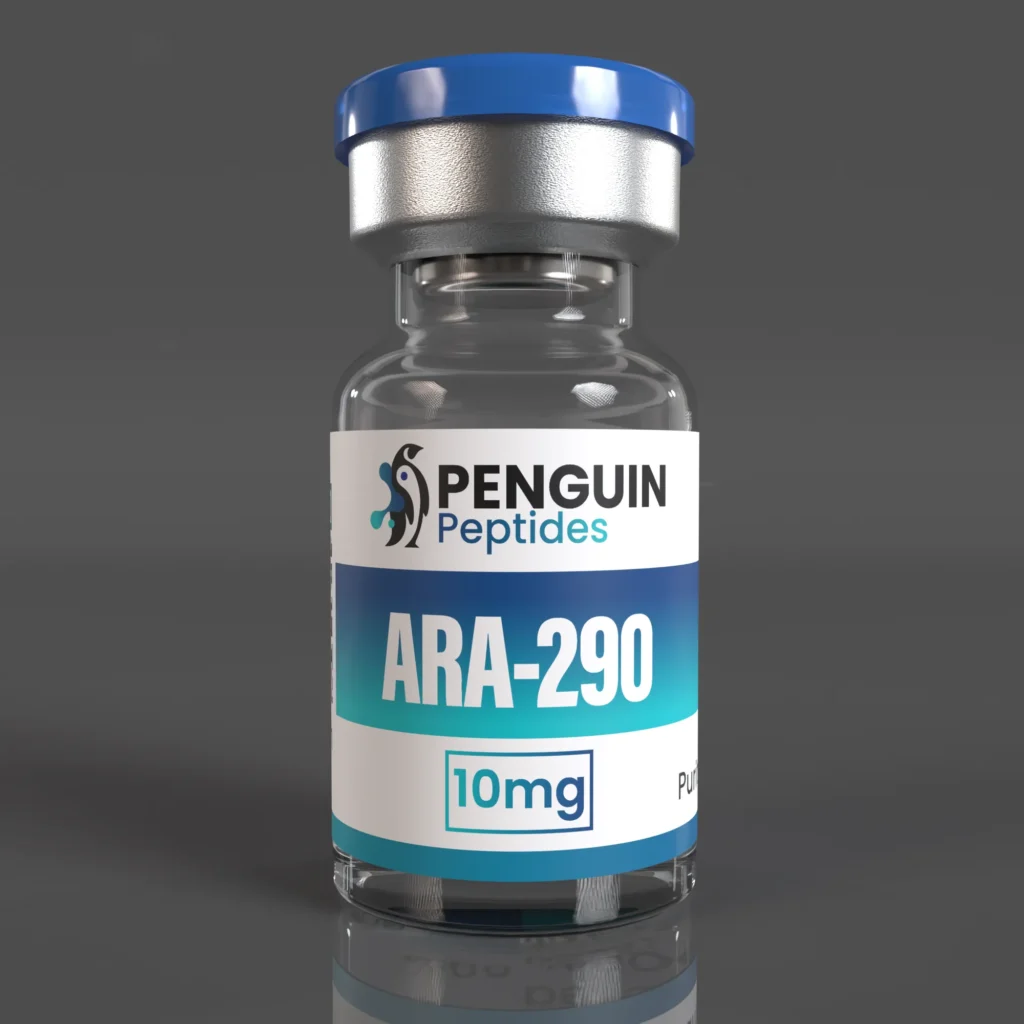
ARA-290 (Cibinetide): The Innovative Peptide for Neuropathy and Tissue Repair
In the rapidly evolving field of regenerative medicine and neurology, ARA-290 (Cibinetide) has emerged as a groundbreaking therapeutic peptide. Originally derived from erythropoietin (EPO), this innovative compound is designed to promote tissue repair and protect nerves without the cardiovascular side effects associated with traditional EPO therapies.
Whether you are a patient suffering from neuropathy, a medical professional, or a biohacking enthusiast, understanding the science behind ARA-290 Cibinetide is crucial. This comprehensive guide explores its mechanism of action, therapeutic benefits, clinical research, and safety profile.
What is ARA-290 (Cibinetide)?
ARA-290, widely known by its generic name Cibinetide, is an 11-amino-acid synthetic peptide. It is derived from the tertiary structure of erythropoietin (EPO), a hormone primarily known for stimulating red blood cell production.
However, researchers engineered ARA-290 Cibinetide to isolate the tissue-protective properties of EPO while completely removing its erythropoietic (red blood cell-stimulating) activity. By stripping away the parts of the EPO molecule that trigger red blood cell production, scientists created a highly targeted peptide that focuses purely on cellular repair and neuroprotection.
Mechanism of Action: The Innate Repair Receptor (IRR)
To understand why ARA-290 Cibinetide is so highly regarded in clinical research, one must look at how it interacts with the body at a cellular level.
Unlike native EPO, which binds to the classic erythropoietin receptor (EPOR) to produce red blood cells, Cibinetide binds to a different receptor complex known as the Innate Repair Receptor (IRR). The IRR is a heterocomplex made up of EPOR and the common beta-chain receptor (CD131).
When ARA-290 Cibinetide binds to the IRR, it triggers a cascade of intracellular signaling pathways that:
- Reduce inflammation at the site of tissue damage.
- Prevent apoptosis (programmed cell death) in stressed or injured cells.
- Promote angiogenesis (the formation of new blood vessels) to improve local blood flow.
- Stimulate neuroprotection and nerve fiber regeneration.
Key Therapeutic Benefits and Applications
Because the IRR is widely expressed in tissues that are highly susceptible to inflammatory and metabolic damage, ARA-290 Cibinetide has a broad range of potential therapeutic applications.
1. Small Fiber Neuropathy (SFN) and Peripheral Neuropathy
One of the most promising applications of ARA-290 Cibinetide is in the treatment of small fiber neuropathy. SFN is a condition characterized by damage to the small sensory nerve fibers in the skin, leading to severe pain, burning, tingling, and autonomic dysfunction. Clinical studies have shown that Cibinetide can significantly reduce neuropathic pain and actually promote the regeneration of damaged corneal and skin nerve fibers.
2. Sarcoidosis-Associated Neuropathy
Sarcoidosis is an inflammatory disease that can cause severe neurological complications. Research, including trials led by Araim Pharmaceuticals, has demonstrated that ARA-290 Cibinetide can improve neuropathic symptoms and quality of life in patients suffering from sarcoidosis-associated neuropathy by targeting the underlying inflammatory nerve damage.
3. Tissue Repair and Wound Healing
Beyond the nervous system, the IRR is present in the heart, kidneys, and skin. Preclinical models have shown that ARA-290 Cibinetide accelerates wound healing, reduces ischemic injury (tissue damage due to lack of blood flow), and protects organs from inflammatory damage.
Clinical Trials and Research Status
ARA-290 Cibinetide has been the subject of numerous Phase 2 and Phase 3 clinical trials, primarily spearheaded by Araim Pharmaceuticals.
- Sarcoidosis Neuropathy Trials: Double-blind, placebo-controlled trials have shown that patients treated with Cibinetide experienced significant improvements in neuropathic pain scores and intraepidermal nerve fiber density compared to placebo.
- Small Fiber Neuropathy Trials: Ongoing and recent studies continue to validate its efficacy in treating idiopathic and secondary small fiber neuropathies, highlighting its potential to become a first-in-class disease-modifying treatment rather than just a symptom-management drug.
Note: As of 2026, ARA-290 Cibinetide remains an investigational drug in various stages of clinical development and is not yet universally approved by the FDA for commercial use, though it is available for legitimate clinical research purposes.
Safety Profile and Side Effects
The most significant advantage of ARA-290 Cibinetide over traditional EPO is its exceptional safety profile.
Because it does not stimulate red blood cell production, Cibinetide does not carry the risk of thrombosis (blood clots), hypertension, or cardiovascular events that are typically associated with EPO therapy. In clinical trials, ARA-290 has been well-tolerated, with most adverse events being mild and comparable to placebo. This makes it a highly attractive candidate for long-term use in chronic conditions like neuropathy.
Frequently Asked Questions (FAQ)
Is ARA-290 (Cibinetide) the same as Erythropoietin (EPO)?
No. While ARA-290 Cibinetide is derived from the structure of EPO, it is an 11-amino-acid peptide that does not stimulate red blood cell production. It targets tissue repair receptors (IRR) rather than erythropoietic receptors.
What conditions is ARA-290 Cibinetide being studied for?
It is primarily being studied for neuropathic conditions, including small fiber neuropathy (SFN) and sarcoidosis-associated neuropathy. It is also being researched for broader tissue repair, wound healing, and inflammatory disorders.
Does Cibinetide cause blood clots or high blood pressure?
No. Unlike native EPO, ARA-290 Cibinetide lacks erythropoietic activity. Therefore, it does not increase red blood cell mass, effectively eliminating the risks of blood clots and hypertension associated with traditional EPO treatments.
Conclusion
ARA-290 (Cibinetide) represents a major leap forward in the treatment of neuropathy and inflammatory tissue damage. By selectively targeting the Innate Repair Receptor, this innovative peptide offers the neuroprotective and regenerative benefits of erythropoietin without the dangerous cardiovascular side effects. As clinical trials continue to advance, ARA-290 Cibinetide holds immense promise for providing much-needed relief to millions of patients suffering from small fiber neuropathy and related nerve disorders. 99% purity peptides!
Related products
Recovery Research
Price range: €54.00 through €105.00
Immune Research
€45.00

Vasodilator Research
€37.00
Brain Research
Price range: €55.00 through €80.00
Recovery Research
€42.00
Obesity Research
Price range: €65.00 through €195.00
Recovery Research
Price range: €72.00 through €105.00
Anti-aging Research
€134.00