
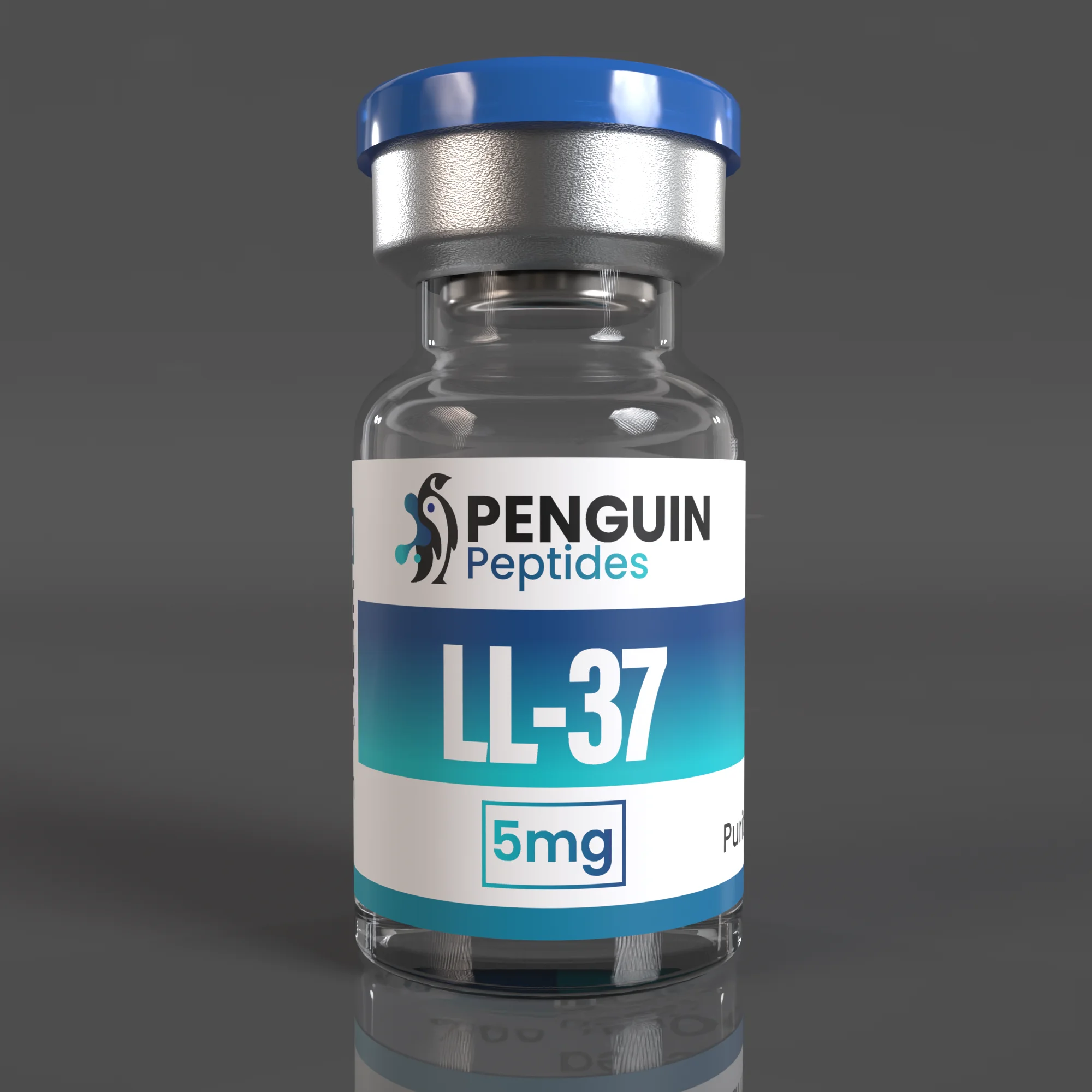
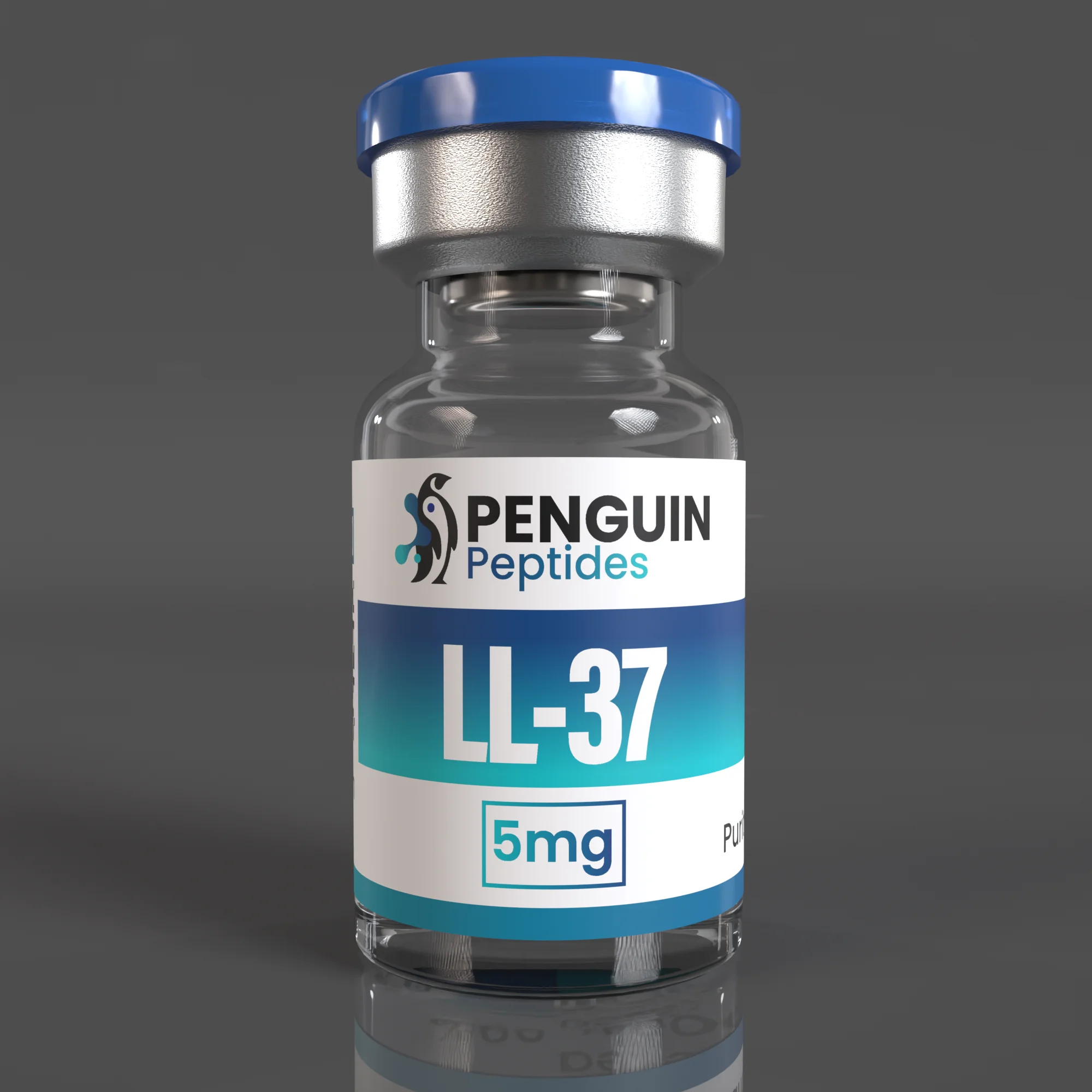
Buy LL-37 5mg lyophilized peptide
€92.00
In the rapidly evolving field of peptide research, few compounds have garnered as much scientific attention as the human cathelicidin antimicrobial peptide. The LL-37 5mg lyophilized peptide, conveniently packaged in a 3ml glass vial, represents a highly stable, research-grade format of this fascinating molecule.
LL-37 5mg Lyophilized Peptide: Comprehensive Research Guide
In the rapidly evolving field of peptide research, few compounds have garnered as much scientific attention as the human cathelicidin antimicrobial peptide. The LL-37 5mg lyophilized peptide, conveniently packaged in a 3ml glass vial, represents a highly stable, research-grade format of this fascinating molecule.
Whether you are investigating novel antimicrobial agents, studying wound healing pathways, or exploring immunomodulation, understanding the specifications and applications of LL-37 is essential. This guide covers everything you need to know about the LL-37 5mg lyophilized peptide, from its biological mechanisms to proper laboratory handling.
What is LL-37?
LL-37 is a 37-amino acid peptide and the only known cathelicidin antimicrobial peptide found in humans. Originally identified for its potent role in the innate immune system, LL-37 is produced by neutrophils and epithelial cells in response to infection or tissue injury.
Unlike traditional antibiotics that target specific bacterial structures, LL-37 interacts directly with microbial membranes, making it a primary focus in research concerning antibiotic-resistant strains and biofilm disruption.
Product Specifications: LL-37 5mg in a 3ml Vial
When sourcing peptides for the laboratory, purity and stability are paramount. The LL-37 5mg lyophilized peptide is designed to meet rigorous research standards.
- Peptide Sequence: LLGDFFRKSKEKIGKEFKRIVQRIKDFLRNLVPRTES
- Net Peptide Content: 5mg per vial
- Form: Lyophilized (freeze-dried) white powder
- Packaging: Sealed, sterile 3ml glass vial under inert gas (argon or nitrogen)
- Purity: ≥98% (verified via HPLC and Mass Spectrometry)
- Molecular Weight: ~4,462.1 g/mol
Why Lyophilized?
The lyophilization (freeze-drying) process removes moisture from the peptide, placing it in a dormant state. This significantly extends the shelf life of the LL-37 5mg lyophilized peptide, preventing degradation and ensuring that researchers receive a highly potent compound for their in vitro and in vivo studies.
Key Research Applications of LL-37
The versatility of LL-37 makes it a valuable tool across multiple disciplines of biomedical research. Current studies utilizing the 5mg lyophilized format focus on several core areas:
1. Antimicrobial and Anti-Biofilm Studies
LL-37 exhibits broad-spectrum activity against Gram-positive and Gram-negative bacteria, as well as certain fungi and enveloped viruses. Researchers frequently use LL-37 to study mechanisms of membrane disruption and to evaluate its efficacy in eradicating stubborn bacterial biofilms.
2. Wound Healing and Tissue Regeneration
Beyond its antimicrobial properties, LL-37 is heavily researched for its role in tissue repair. Studies indicate that LL-37 promotes angiogenesis (the formation of new blood vessels), stimulates the migration of keratinocytes, and accelerates wound closure, making it a focal point in dermatological and regenerative medicine research.
3. Immunomodulation and Inflammation
LL-37 acts as a crucial signaling molecule in the immune system. It is studied for its ability to neutralize lipopolysaccharides (LPS), thereby reducing excessive inflammatory responses. This makes it a compound of interest in research regarding autoimmune conditions and sepsis.
Reconstitution and Handling Guidelines
Because the LL-37 5mg lyophilized peptide is freeze-dried, it must be reconstituted with a suitable bacteriostatic solvent before use in laboratory assays.
- Preparation: Allow the 3ml vial to reach room temperature before opening to prevent moisture condensation inside the vial.
- Solvent: Reconstitute the 5mg powder using bacteriostatic water or sterile saline. For a standard concentration, adding 1ml to 2ml of solvent is common, depending on the required dosage for the specific assay.
- Mixing: Gently swirl the vial. Do not shake vigorously, as peptides can be sensitive to mechanical stress and foaming.
- Storage Post-Reconstitution: Once reconstituted, the peptide should be stored in a refrigerated environment (2°C to 8°C) and used within 14 to 28 days to maintain optimal stability.
Proper Storage for Lyophilized Peptides
To maintain the integrity of the LL-37 5mg lyophilized peptide prior to reconstitution, proper storage is critical:
- Long-term storage: Keep the sealed 3ml vial in a freezer at -20°C. Under these conditions, the lyophilized powder can remain stable for up to 24 months.
- Short-term storage: If a freezer is unavailable, store the vial in a refrigerator at 2°C to 8°C, where it will remain stable for up to 12 months.
- Avoid: Prolonged exposure to room temperature, direct sunlight, and repeated freeze-thaw cycles.
Frequently Asked Questions (FAQ)
What is the difference between LL-37 and traditional antibiotics? Traditional antibiotics typically target specific bacterial cellular processes (like protein synthesis). LL-37, however, uses a physical mechanism to disrupt the lipid bilayer of microbial cell membranes, which is why researchers study it as a potential alternative to conventional antibiotics.
Can the LL-37 5mg lyophilized peptide be used for human consumption? No. The LL-37 5mg lyophilized peptide is strictly intended for in vitro laboratory research and educational purposes. It is not approved by the FDA for human or animal therapeutic use.
How do I calculate the concentration after reconstitution? If you add 1ml of bacteriostatic water to the 5mg vial, the concentration will be 5mg/ml (or 5000mcg/ml). If you add 2ml, the concentration will be 2.5mg/ml. Always calculate based on the exact volume of solvent added.
Conclusion
The LL-37 5mg lyophilized peptide in a 3ml vial offers researchers a highly stable, pure, and versatile tool for exploring the frontiers of immunology, microbiology, and regenerative medicine. By understanding its biological mechanisms and adhering to strict storage and reconstitution protocols, laboratories can ensure the highest quality results in their peptide research. Best research peptide supplier
Related products
Immune Research
Price range: €59.00 through €95.00
Immune Research
€45.00