
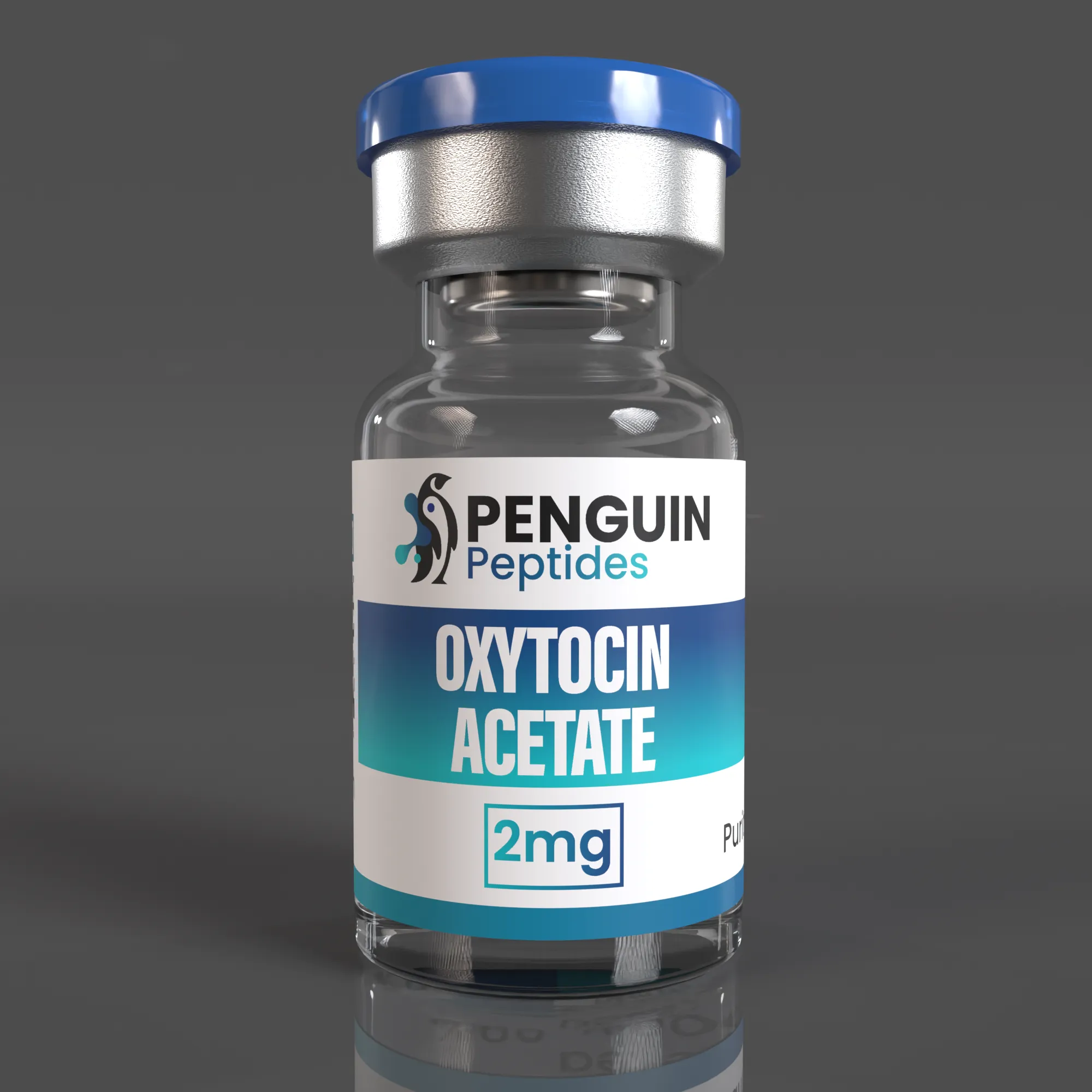
Buy Oxytocin-Acetate 2mg
€42.00
Oxytocin is a nonapeptide (a peptide consisting of nine amino acids) produced in the hypothalamus and released by the posterior pituitary gland. While it is famous for its role in childbirth and lactation, modern research has uncovered its vast systemic effects, ranging from anxiety reduction to tissue repair. Oxytocin-Acetate 2mg refers to the synthetic version of this hormone, formulated as an acetate salt. The addition of the acetate salt significantly enhances the peptide’s stability, purity, and shelf life compared to its base form.
Oxytocin-Acetate 2mg: The Ultimate Guide to the “Love Hormone” Peptide
What is Oxytocin-Acetate 2mg?
Potential Benefits and Research Applications
1. Social Behavior and Anxiety Relief
2. Enhanced Muscle Recovery and Tissue Repair
3. Metabolic Regulation and Fat Loss
4. Gut Health and Anti-Inflammatory Properties
How Oxytocin-Acetate 2mg Works in the Body
General Research and Usage Guidelines
Reconstitution
- Standard Practice: Researchers typically add 1mL or 2mL of bacteriostatic water to the 2mg vial.
- Calculation: If 1mL of water is added, each 0.1mL (10 units on an insulin syringe) will contain 200mcg (0.2mg) of the peptide.
Typical Research Dosages
- Subcutaneous Research Doses: Often range from 100mcg to 300mcg per day.
- Intranasal Administration: Some studies utilize intranasal sprays to bypass the digestive system and target the brain more directly, though this requires specialized compounding.
Potential Side Effects and Safety Considerations
- Flushing or warmth in the face
- Mild nausea or gastrointestinal discomfort
- Headaches
- Changes in blood pressure (usually a slight drop)
How to Ensure Quality When Sourcing Oxytocin-Acetate
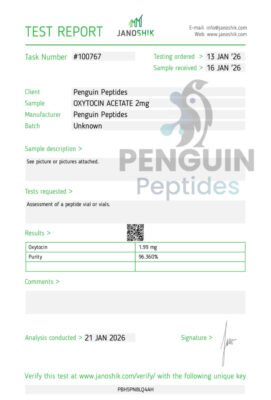
- Third-Party Testing: Look for vendors that provide Certificates of Analysis (CoA) from independent, ISO-certified laboratories verifying the purity (should be >99%) and identity of the peptide.
- Proper Storage: Peptides degrade when exposed to heat and light. Ensure the vendor ships the 2mg vials with ice packs and recommends storing them in a cool, dark environment (or a freezer for long-term storage).
- Transparent Sourcing: Reputable suppliers will clearly state their manufacturing practices and adhere to strict Good Manufacturing Practices (GMP).
Conclusion
As always, responsible research, strict adherence to safety protocols, and consultation with medical professionals are essential when exploring the vast world of peptides.
Related products
Anti-aging Research
Sexual Research
Sexual Research
Immune Research
Sexual Research
Recovery Research
Recovery Research
Recovery Research