
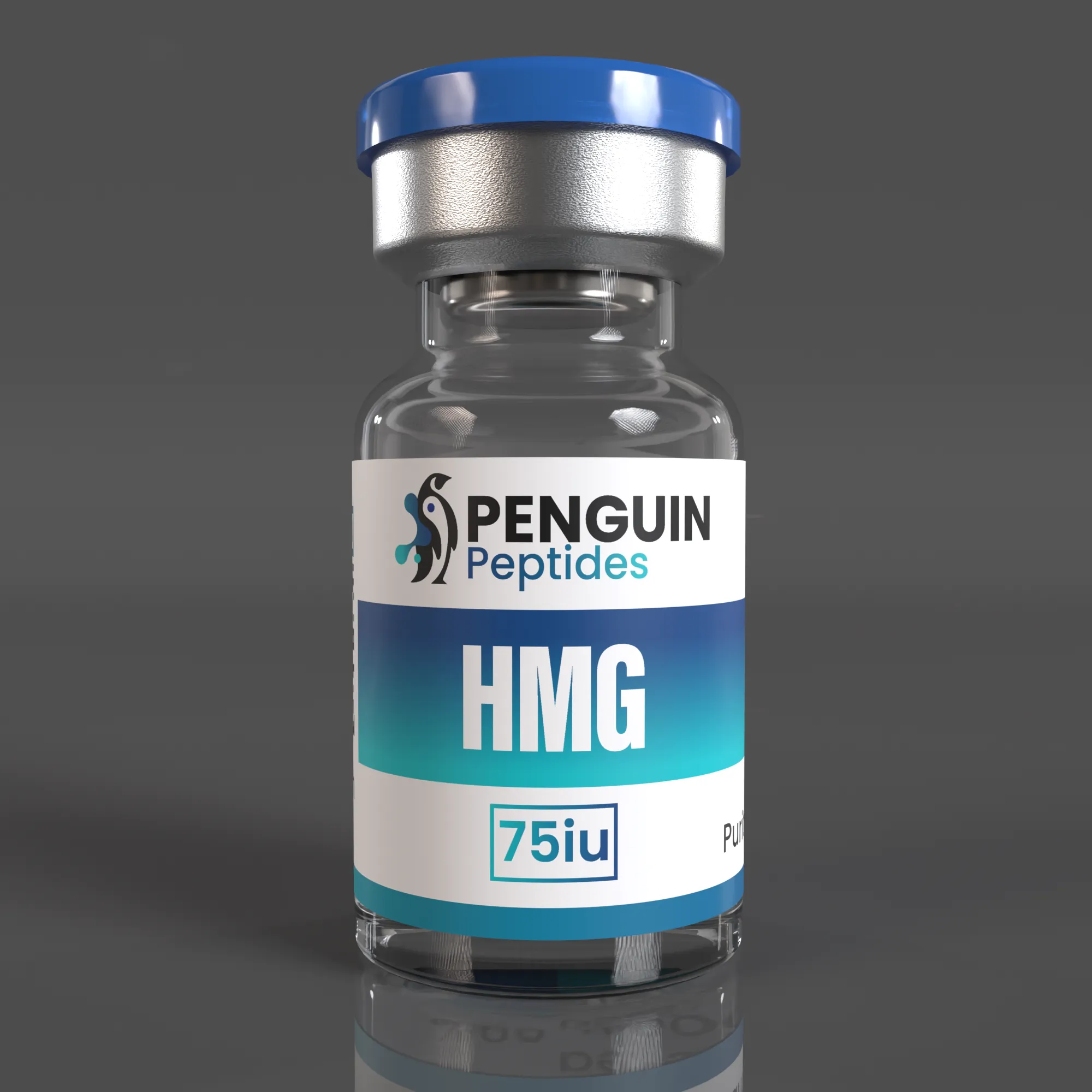
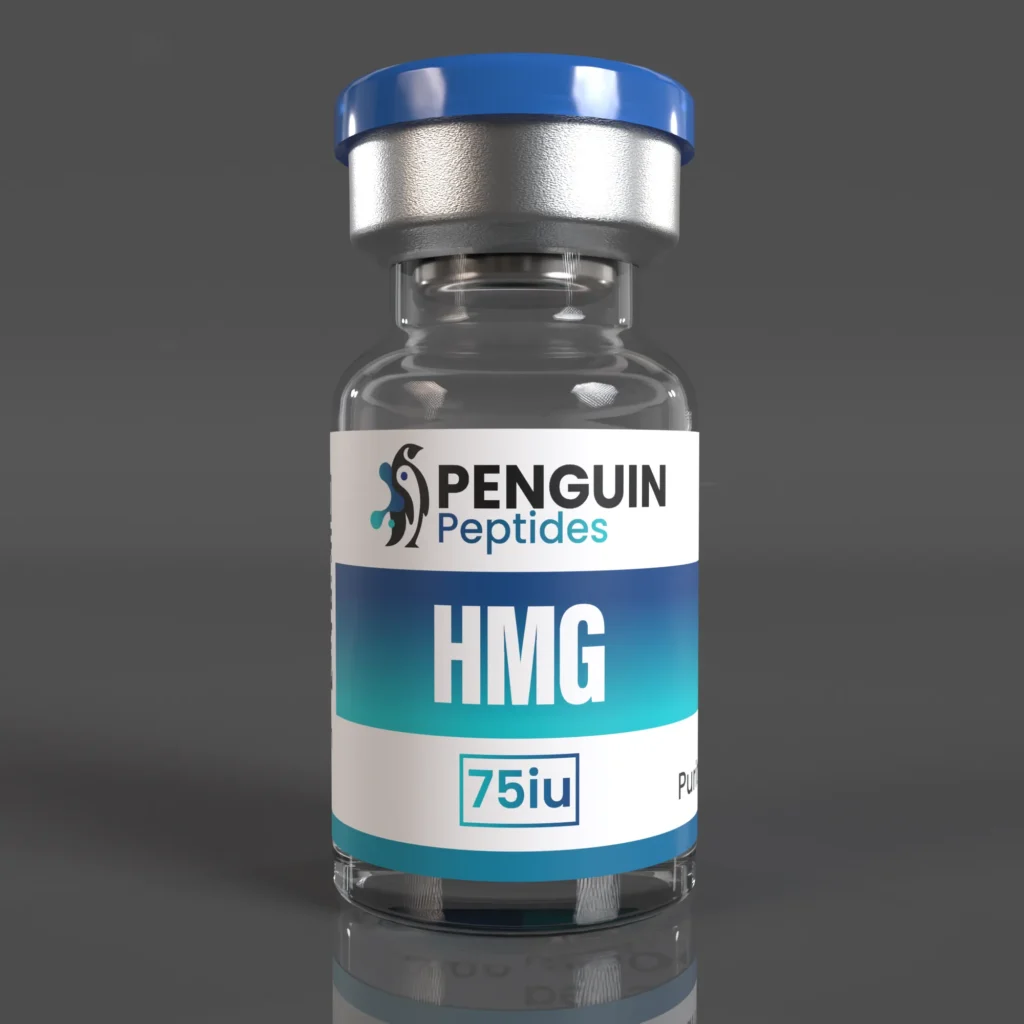
Buy Human Menopausal Gonadotropin (HMG)
€60.00
Navigating the world of fertility treatments can feel overwhelming, especially when confronted with complex medical terminology. One of the most common and effective medications used in assisted reproductive technology (ART) is Human Menopausal Gonadotropin (HMG).
What is Human Menopausal Gonadotropin (HMG)? A Complete Fertility Guide
Navigating the world of fertility treatments can feel overwhelming, especially when confronted with complex medical terminology. One of the most common and effective medications used in assisted reproductive technology (ART) is Human Menopausal Gonadotropin (HMG).
Whether you are preparing for In Vitro Fertilization (IVF), Intrauterine Insemination (IUI), or ovulation induction, understanding how HMG works can help you feel more confident in your fertility journey. In this comprehensive guide, we will explore what Human Menopausal Gonadotropin is, how it stimulates ovulation, potential side effects, and what to expect during treatment.
How Does Human Menopausal Gonadotropin Work?
To understand how Human Menopausal Gonadotropin (HMG) works, it helps to look at the natural hormones it mimics. Human Menopausal Gonadotropin (HMG) is a highly purified biological extract derived from the urine of postmenopausal women.
It contains two essential gonadotropins in a 1:1 ratio:
- Follicle-Stimulating Hormone (FSH): Responsible for stimulating the growth and maturation of ovarian follicles (the fluid-filled sacs that contain eggs).
- Luteinizing Hormone (LH): Crucial for the final maturation of the egg, triggering ovulation, and supporting the corpus luteum to produce progesterone after ovulation.
By introducing these hormones into the body via injection, Human Menopausal Gonadotropin effectively overrides the body’s natural menstrual cycle, allowing reproductive endocrinologists to control and stimulate the development of multiple healthy eggs.
Common Uses of HMG in Fertility Treatments
Fertility specialists prescribe HMG (often known by brand names like Menopur) for several specific scenarios:
- Ovulation Induction (OI): For women who do not ovulate on their own (such as those with Polycystic Ovary Syndrome, or PCOS), HMG injections can stimulate the ovaries to release one or more mature eggs.
- Controlled Ovarian Hyperstimulation (COH): In IVF cycles, the goal is to retrieve multiple eggs to create several embryos. HMG is a cornerstone of the stimulation phase, ensuring a robust yield of mature eggs.
- Male Factor Infertility: In some specific cases, HMG is prescribed to men to stimulate the testes to produce sperm, particularly when the issue is related to a deficiency in natural gonadotropins (hypogonadotropic hypogonadism).
The HMG Injection Process: What to Expect
If your doctor prescribes Human Menopausal Gonadotropin, you will likely self-administer the medication at home. Here is what the process generally looks like:
- Preparation: HMG usually comes as a powder that must be reconstituted with a provided sterile liquid, or as a pre-mixed pen injector.
- Administration: The injection is typically given subcutaneously (under the skin) using a small, fine needle, usually in the lower abdomen or thigh. Intramuscular injections are less common today but may be used depending on the specific formulation.
- Monitoring: While on HMG, you will visit your fertility clinic frequently for transvaginal ultrasounds and blood tests (estradiol levels). This monitoring ensures your follicles are growing properly and helps the doctor adjust your dosage to prevent complications.
- The Trigger Shot: Once the follicles reach the optimal size, you will stop taking HMG and administer a “trigger shot” (usually hCG) to induce the final maturation and release of the eggs.
Potential Side Effects and Risks
Like all fertility medications, Human Menopausal Gonadotropin carries the potential for side effects. Most are mild and manageable, but some require immediate medical attention.
Mild to Moderate Side Effects
- Injection site reactions (redness, bruising, or mild pain)
- Headaches and fatigue
- Bloating, mild pelvic discomfort, or mood swings
- Breast tenderness
Severe Risks
- Ovarian Hyperstimulation Syndrome (OHSS): This is a rare but serious condition where the ovaries become swollen and painful, and fluid leaks into the abdomen. Symptoms include severe pelvic pain, rapid weight gain, nausea, and decreased urination.
- Multiple Pregnancies: Because HMG can cause multiple eggs to release, there is a higher risk of twins or higher-order multiples, which carry increased risks during pregnancy.
- Ovarian Torsion: In rare cases, enlarged ovaries can twist, cutting off their blood supply. This is a medical emergency.
Human Menopausal Gonadotropin vs. Recombinant FSH
Patients often ask about the difference between HMG and recombinant FSH (like Gonal-F or Follistim).
- Human Menopausal Gonadotropin (HMG) is urine-derived and contains both FSH and LH. Some studies suggest that the presence of LH in HMG may be beneficial for certain patient profiles, particularly older women or “poor responders” in IVF.
- Recombinant FSH is created in a lab using recombinant DNA technology. It contains only FSH and is highly purified, meaning it carries a theoretically lower risk of allergic reactions or batch-to-batch variations.
Your reproductive endocrinologist will choose the best protocol based on your age, ovarian reserve (AMH levels), and previous fertility treatment history.
Frequently Asked Questions (FAQ)
Is Human Menopausal Gonadotropin safe? Yes, HMG has been used safely in fertility treatments for decades. The purification process ensures that the final product is free from harmful contaminants. However, it must be closely monitored by a fertility specialist to mitigate risks like OHSS.
How long do you take HMG injections? The duration varies by individual, but a typical stimulation phase lasts between 8 to 14 days. Your doctor will determine the exact length based on your follicular growth monitoring.
Does HMG cause weight gain? Temporary bloating and water retention are common side effects of Human Menopausal Gonadotropin (HMG) due to the stimulation of the ovaries. This is usually temporary and resolves shortly after the treatment cycle ends.
Conclusion
Human Menopausal Gonadotropin (HMG) is a powerful and time-tested fertility medication that plays a vital role in helping individuals and couples achieve their dream of growing a family. By understanding how it works, what to expect during the injection phase, and the importance of clinical monitoring, you can approach your fertility treatment with confidence. Buy best selling research peptides here!
Related products
Sexual Research
€52.00
Sexual Research
€52.00
Sexual Research
€42.00
Sexual Research
€87.00
Sexual Research
€55.00