
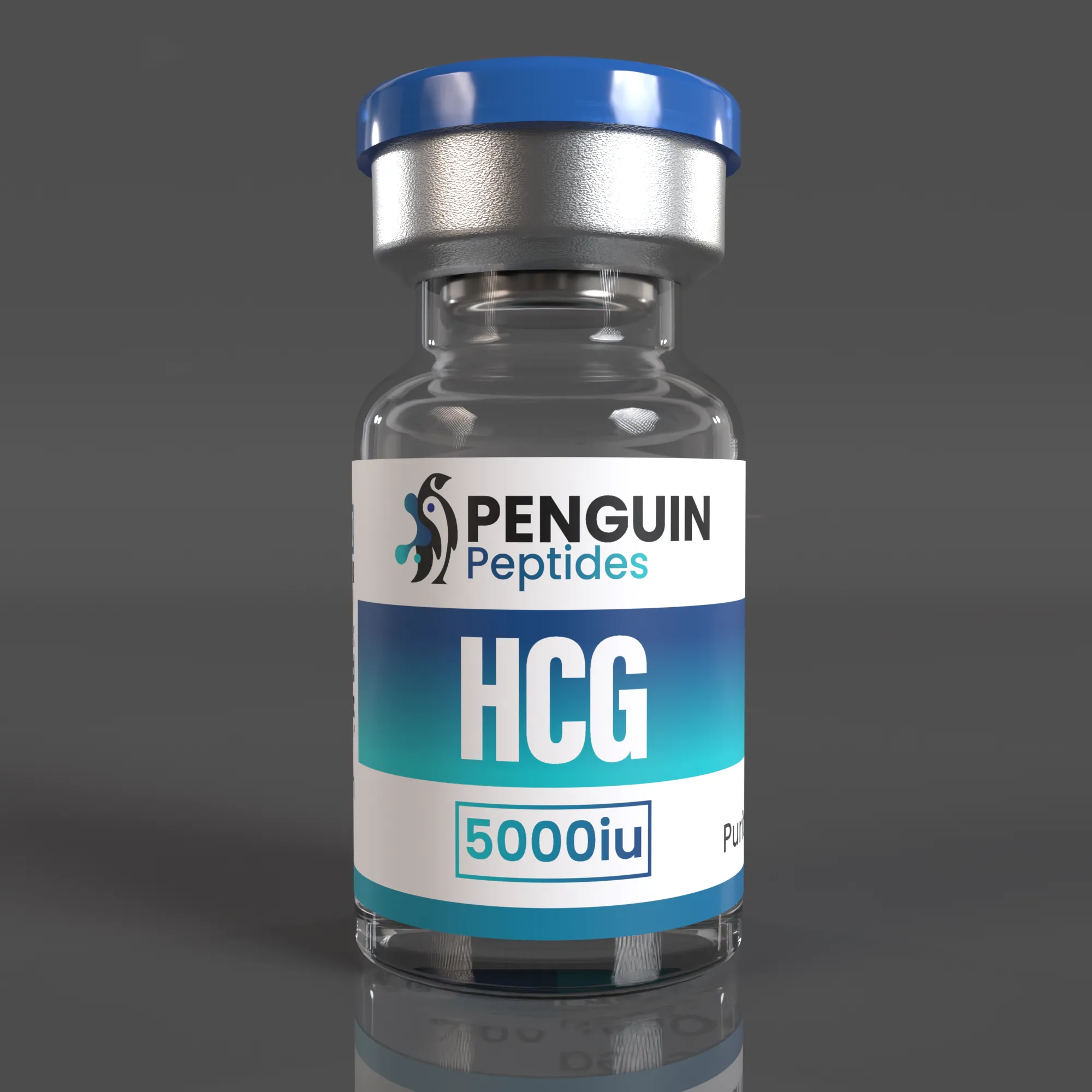
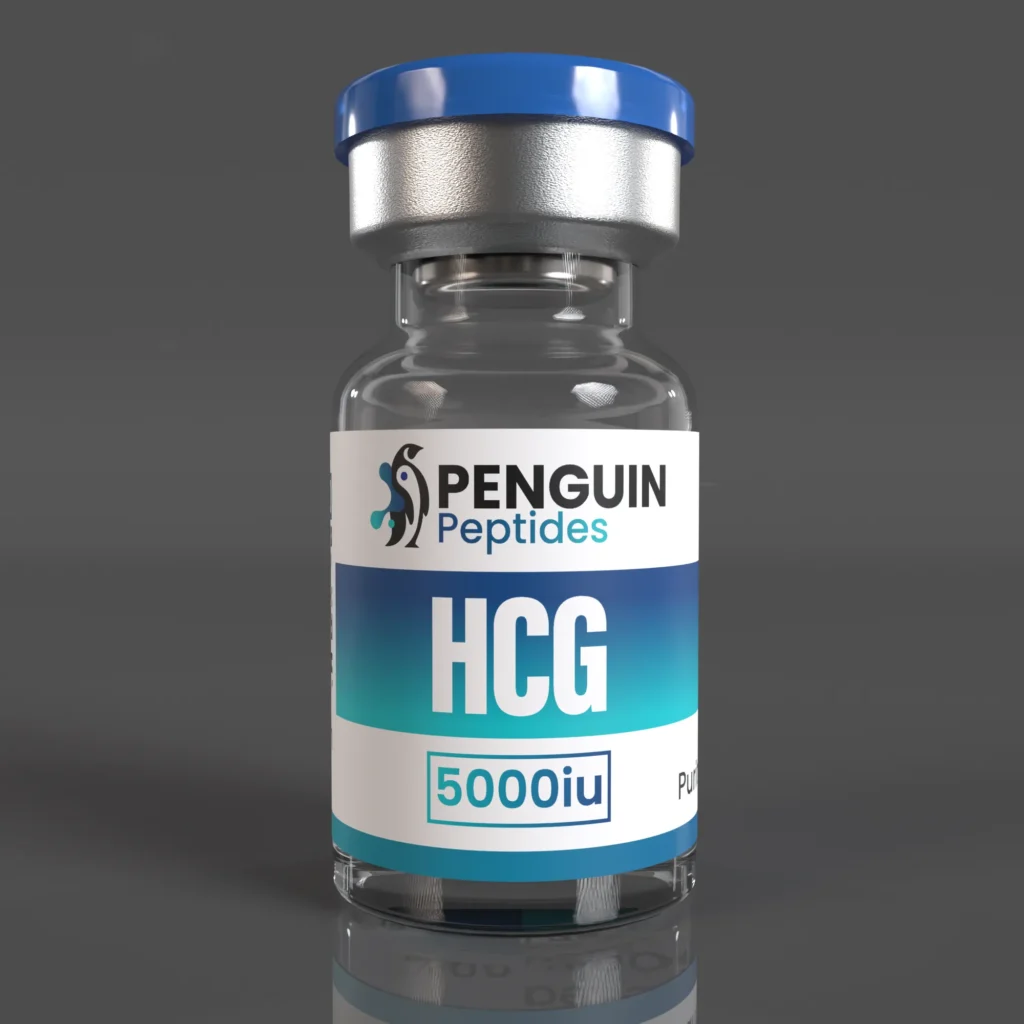
Buy Human Chorionic Gonadotropin


€87.00
When it comes to pregnancy and reproductive health, few hormones are as closely monitored as Human Chorionic Gonadotropin. Often referred to simply as the “pregnancy hormone,” HCG plays a critical role in early fetal development and is a key marker used by doctors to confirm and monitor pregnancy.
What is Human Chorionic Gonadotropin (HCG)? A Complete Guide
When it comes to pregnancy and reproductive health, few hormones are as closely monitored as Human Chorionic Gonadotropin. Often referred to simply as the “pregnancy hormone,” HCG plays a critical role in early fetal development and is a key marker used by doctors to confirm and monitor pregnancy.
However, beyond its natural role in reproduction, synthetic HCG is also used in various medical and fertility treatments. In this comprehensive guide, we will explore what Human Chorionic Gonadotropin is, how its levels change during pregnancy, its medical uses, and the truth behind popular HCG health trends.
The Role of Human Chorionic Gonadotropin in Pregnancy
Human Chorionic Gonadotropin is a hormone produced primarily by the syncytiotrophoblast cells of the placenta shortly after a fertilized egg implants in the uterine lining. This typically occurs about six to eight days after conception.
The primary function of the HCG hormone in early pregnancy is to maintain the corpus luteum, a temporary endocrine structure in the ovary. The corpus luteum produces progesterone, which is absolutely essential for thickening the uterine lining and sustaining the early stages of pregnancy until the placenta is fully developed and can take over progesterone production.
Because it enters the bloodstream and is eventually filtered into the urine, Human Chorionic Gonadotropin is the exact hormone detected by both home pregnancy tests and clinical blood tests.
HCG Levels During Pregnancy
One of the most unique characteristics of Human Chorionic Gonadotropin is how rapidly its levels rise in the first trimester. Doctors often track these levels to ensure a pregnancy is progressing healthily.
- Weeks 1–3: Levels are initially very low but begin to double every 48 to 72 hours.
- Weeks 4–8: HCG levels surge dramatically, often doubling every two to three days.
- Weeks 8–12: Levels peak, reaching their highest concentration in the blood.
- Weeks 12–16: After peaking, the hormone levels gradually decline and plateau for the remainder of the pregnancy.
What Do Abnormal HCG Levels Mean?
While a single HCG number doesn’t tell the whole story, doctors may order serial blood tests to track the trend of the hormone.
- Lower-than-expected levels could indicate a miscalculation of gestational age, an ectopic pregnancy, or a potential miscarriage.
- Higher-than-expected levels might suggest a miscalculation of dates, a multiple pregnancy (twins or triplets), or a molar pregnancy.
Medical Uses of the HCG Hormone
While naturally produced during pregnancy, synthetic Human Chorionic Gonadotropin (often derived from the urine of pregnant women or created via recombinant DNA technology) has several vital medical applications in reproductive endocrinology.
1. Fertility Treatments for Women
In assisted reproductive technology (ART) and In Vitro Fertilization (IVF), HCG is used as a “trigger shot.” Because its molecular structure is nearly identical to Luteinizing Hormone (LH), an injection of HCG triggers the final maturation of the egg and prompts the ovary to release it (ovulation). This allows doctors to precisely time egg retrieval or intrauterine insemination (IUI).
2. Fertility and Hormone Treatments for Men
Human Chorionic Gonadotropin is highly effective for men suffering from hypogonadism (low testosterone) or those looking to preserve fertility. In men, HCG mimics LH, stimulating the Leydig cells in the testicles to produce natural testosterone and sperm. It is frequently prescribed alongside Testosterone Replacement Therapy (TRT) to prevent testicular atrophy and maintain sperm production.
The HCG Diet: Fact or Fiction?
You may have seen advertisements for the “HCG Diet,” a weight-loss program that combines severe calorie restriction (usually 500 calories a day) with HCG drops, pellets, or injections.
The Medical Consensus: The FDA and the broader medical community strongly advise against using Human Chorionic Gonadotropin for weight loss. There is no scientific evidence that HCG increases weight loss, redistributes fat, or reduces hunger. Any weight lost on this protocol is strictly the result of extreme, unsafe caloric restriction. Furthermore, over-the-counter HCG weight-loss products are considered illegal and fraudulent by the FDA.
How is an HCG Test Performed?
If your doctor suspects you are pregnant or needs to monitor your reproductive health, they will order an HCG test. There are two main types:
- Qualitative HCG Test: This is a simple “yes or no” test. It checks only for the presence of the hormone. Most over-the-counter home pregnancy tests are qualitative urine tests.
- Quantitative HCG Test (Beta hCG): This blood test measures the exact amount of the hormone in your blood. It is highly sensitive, can detect pregnancy earlier than a urine test, and is used to monitor the progression of a pregnancy or diagnose abnormal conditions.
Frequently Asked Questions (FAQ)
Can you be pregnant with low HCG levels? Yes. “Normal” HCG levels have a very wide range. A single low reading is not necessarily a cause for panic; doctors will look at how the levels rise over 48 to 72 hours to determine if the pregnancy is viable.
How long does HCG stay in your system after a trigger shot? If you receive an HCG trigger shot for fertility treatments, the synthetic hormone can remain in your system for 10 to 14 days. Taking a pregnancy test too soon after the shot can result in a false positive.
Does Human Chorionic Gonadotropin cause side effects? When used medically under a doctor’s supervision, side effects are generally mild but can include injection site pain, headaches, restlessness, and mild pelvic discomfort. In women, it carries a small risk of Ovarian Hyperstimulation Syndrome (OHSS).
Conclusion
Human Chorionic Gonadotropin is a fascinating and vital hormone that serves as the cornerstone of early pregnancy maintenance and modern fertility treatments. Whether you are tracking your HCG levels during your first trimester, undergoing IVF, or exploring hormone therapies, understanding how this hormone works is essential for your reproductive health.
Related products
Sexual Research
€55.00

Sexual Research
€52.00
Sexual Research
€52.00
Sexual Research
€42.00
Sexual Research
€60.00