
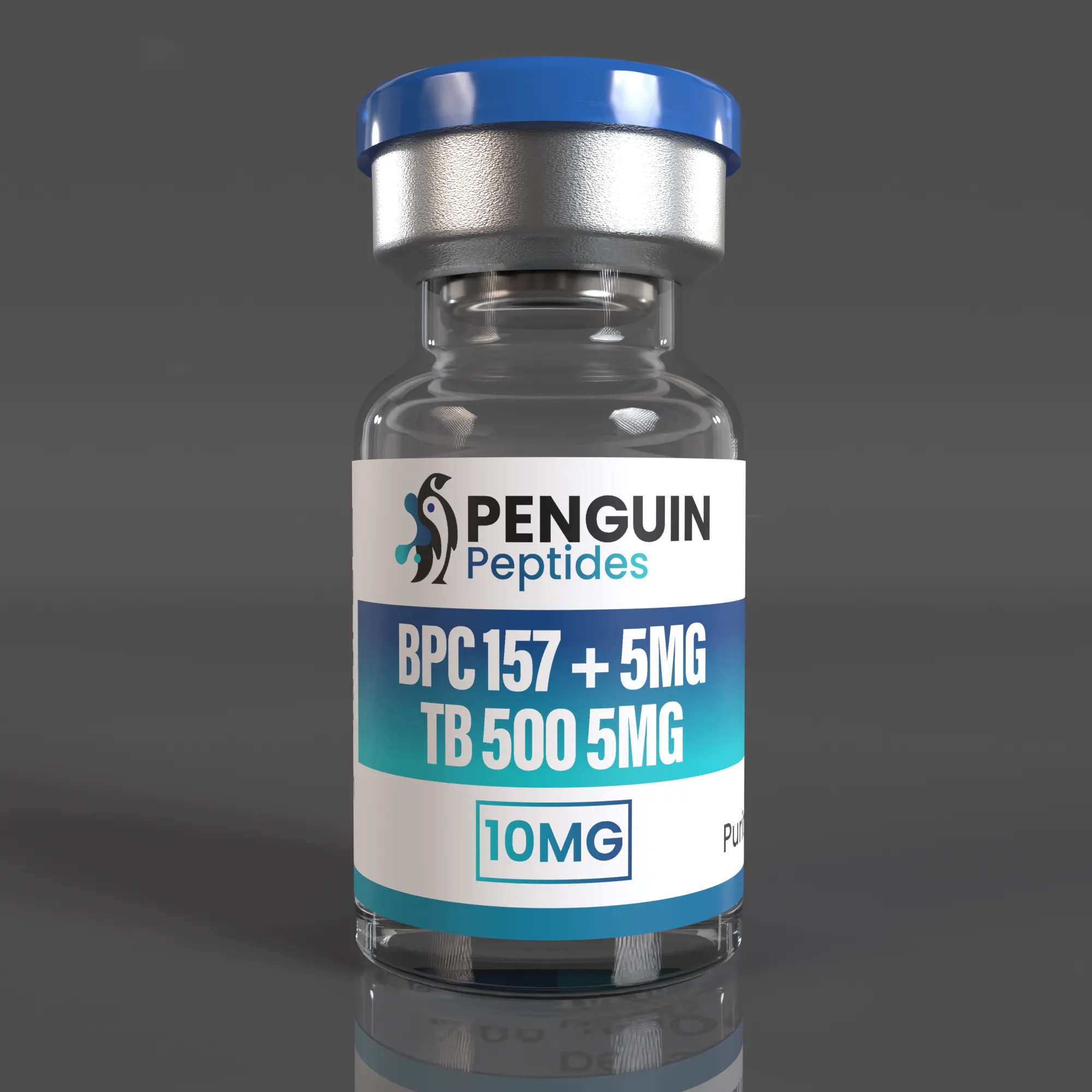
Buy BPC-157 and TB-500
Price range: €58.00 through €100.00
Among the most highly researched and sought-after compounds in this space is the combination of BPC-157 and TB-500. Often referred to in fitness and medical communities as the “Wolverine Stack,” this powerful duo is renowned for its ability to accelerate tissue repair, reduce inflammation, and promote systemic healing.
BPC-157 and TB-500: The Ultimate Guide to Peptide Therapy and Recovery
As of 2026, the landscape of regenerative medicine and biohacking continues to evolve, with peptide therapy at the forefront of injury recovery. Among the most highly researched and sought-after compounds in this space is the combination of BPC-157 and TB-500. Often referred to in fitness and medical communities as the “Wolverine Stack,” this powerful duo is renowned for its ability to accelerate tissue repair, reduce inflammation, and promote systemic healing.
Whether you are an athlete recovering from a sports injury, a biohacker optimizing your longevity, or someone dealing with chronic joint pain, understanding how BPC-157 and TB-500 work together is essential. This comprehensive guide covers everything you need to know about their benefits, mechanisms, dosage protocols, and the current legal landscape in 2026.
What Are BPC-157 and TB-500?
To understand the synergy of this stack, we must first look at what each peptide does individually.
Understanding BPC-157 (Body Protection Compound)
BPC-157 is a synthetic peptide derived from a protective protein found naturally in human gastric juice. Its primary function is to protect and heal the gastrointestinal tract. However, researchers quickly discovered that BPC-157 has profound systemic healing properties. It promotes angiogenesis (the formation of new blood vessels), which increases blood flow to damaged tissues, delivering the oxygen and nutrients required for rapid repair.
Understanding TB-500 (Thymosin Beta-4)
TB-500 is a synthetic fraction of Thymosin Beta-4, a protein naturally present in almost all human and animal cells. Unlike BPC-157, which is highly localized in its initial effects, TB-500 is systemic. It plays a critical role in cell migration and actin sequestration. Essentially, TB-500 tells your cells to move to the site of an injury and begin the rebuilding process, making it incredibly effective for muscle, skin, and tissue regeneration.
The Synergistic Benefits of BPC-157 and TB-500
While both peptides are potent on their own, combining BPC-157 and TB-500 creates a synergistic effect that amplifies their individual benefits. Here is why this combination is highly sought after:
1. Accelerated Muscle and Tissue Recovery
TB-500 excels at promoting cell migration to damaged muscle tissues, while BPC-157 ensures those tissues have a robust blood supply via angiogenesis. Together, they drastically reduce recovery time after intense physical exertion or acute muscle tears.
2. Joint, Tendon, and Ligament Healing
Tendons and ligaments have notoriously poor blood supply, which is why they take so long to heal. BPC-157 is famous for its ability to heal “white tissues” (tendons and ligaments) by upregulating growth hormone receptors in the tissue and promoting new blood vessel growth. When paired with the structural repair capabilities of TB-500, joint and connective tissue recovery is significantly enhanced.
3. Systemic Anti-Inflammatory Effects
Chronic inflammation is the root cause of many degenerative diseases and prolonged injury recovery. Both peptides modulate the body’s inflammatory response, reducing swelling and pain without suppressing the immune system the way traditional NSAIDs (like ibuprofen) do.
4. Gut Health and Neuroprotection
BPC-157 is unparalleled in its ability to heal gut issues, such as leaky gut syndrome, IBS, and ulcers. Furthermore, emerging research up to 2026 suggests that BPC-157 and TB-500 may offer neuroprotective benefits, aiding in the repair of the central nervous system and potentially helping with traumatic brain injuries (TBIs).
How to Administer the BPC-157 and TB-500 Stack
Because BPC-157 and TB-500 work via different mechanisms, they are often administered together but may require different injection frequencies.
Typical Research Dosages
- BPC-157: Typically dosed at 250 mcg to 500 mcg per day. Because it has a short half-life, it is usually injected once or twice daily. Subcutaneous injections near the site of injury are popular, though systemic benefits are achieved regardless of the injection site.
- TB-500: Typically dosed at 2 mg to 5 mg per week. Because it has a longer half-life, it is usually administered once or twice a week via subcutaneous injection.
The Loading and Maintenance Phases
Many clinical protocols suggest a “loading phase” for TB-500 (e.g., 5 mg twice a week for 4–6 weeks) followed by a “maintenance phase” (e.g., 2 mg once a week). BPC-157 is often run continuously for 4 to 8 weeks, followed by a break to assess healing.
Potential Side Effects and Safety Considerations
In human trials and extensive anecdotal reporting, BPC-157 and TB-500 have shown a remarkably high safety profile with very few side effects. However, as with any bioactive compound, potential risks exist:
- Injection Site Reactions: Mild redness, itching, or swelling at the subcutaneous injection site.
- Lethargy or Flushing: Some users report temporary fatigue or a mild flushing sensation immediately after injection.
- Tumor Growth Concerns: Because these peptides promote angiogenesis (blood vessel growth) and cell proliferation, there is a theoretical risk that they could accelerate the growth of existing active cancer cells. They should never be used by individuals with active malignancies.
Legal and Regulatory Status in 2026
It is crucial to understand the legal landscape of BPC-157 and TB-500 in 2026.
Following the FDA’s late 2023 ruling that removed these peptides from the Category 5B list (which previously allowed compounding pharmacies to create them), they are not FDA-approved for human use. As of 2026, BPC-157 and TB-500 are strictly classified as research chemicals.
While they are widely available through online research suppliers and utilized in some specialized, legally nuanced telehealth and anti-aging clinics, consumers must exercise extreme caution. The market is flooded with under-dosed or impure products. If sourcing these peptides, it is vital to use vendors that provide third-party Certificate of Analysis (CoA) testing to ensure purity and accuracy.
Conclusion
The combination of BPC-157 and TB-500 represents one of the most exciting frontiers in regenerative medicine and peptide therapy. By combining the angiogenic and gut-healing properties of BPC-157 with the cell-migrating and muscle-repairing capabilities of TB-500, users can experience accelerated recovery from injuries, reduced inflammation, and enhanced overall tissue health.
While the regulatory landscape in 2026 requires careful navigation and strict adherence to research guidelines, the therapeutic potential of the “Wolverine Stack” continues to make it a cornerstone of advanced recovery protocols. Always prioritize safety, source your peptides from reputable, third-party-tested suppliers, and consult with a medical professional before beginning your peptide journey. Buy BPC-157 online!
Frequently Asked Questions (FAQs)
Q: Can I take BPC-157 and TB-500 orally? A: BPC-157 is highly stable in gastric juice and can be taken orally (often in the form of BPC-157 Arginate salt) specifically for gut healing. However, for systemic tissue, joint, and muscle recovery, subcutaneous injections are the most effective route for both BPC-157 and TB-500.
Q: How long does it take for BPC-157 and TB-500 to work? A: Many users report a noticeable reduction in pain and inflammation within the first 1 to 2 weeks. However, complete structural healing of tendons, ligaments, and muscles typically requires a full 4 to 8-week protocol.
Q: Do BPC-157 and TB-500 show up on drug tests? A: Standard sports drug tests (like WADA or standard employment screenings) do not typically test for BPC-157 or TB-500. However, WADA (World Anti-Doping Agency) prohibits the use of most peptides, so professional athletes should consult their specific governing bodies.
Q: Can women use the BPC-157 and TB-500 stack? A: Yes. Unlike some performance-enhancing compounds that alter hormones, BPC-157 and TB-500 do not impact estrogen or testosterone levels, making them safe and effective for both men and women.
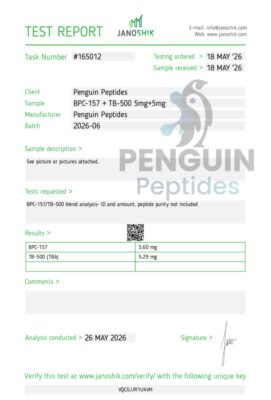
| MG | 10mg+10mg, 5mg+5mg |
|---|
Related products
Brain Research
€40.00
Recovery Research
€67.00
Recovery Research
€76.00
Anti-aging Research
Price range: €54.00 through €70.00
Recovery Research
€42.00
Recovery Research
Price range: €54.00 through €105.00
Anti-aging Research
Price range: €30.00 through €115.00
Anti-aging Research
€134.00