
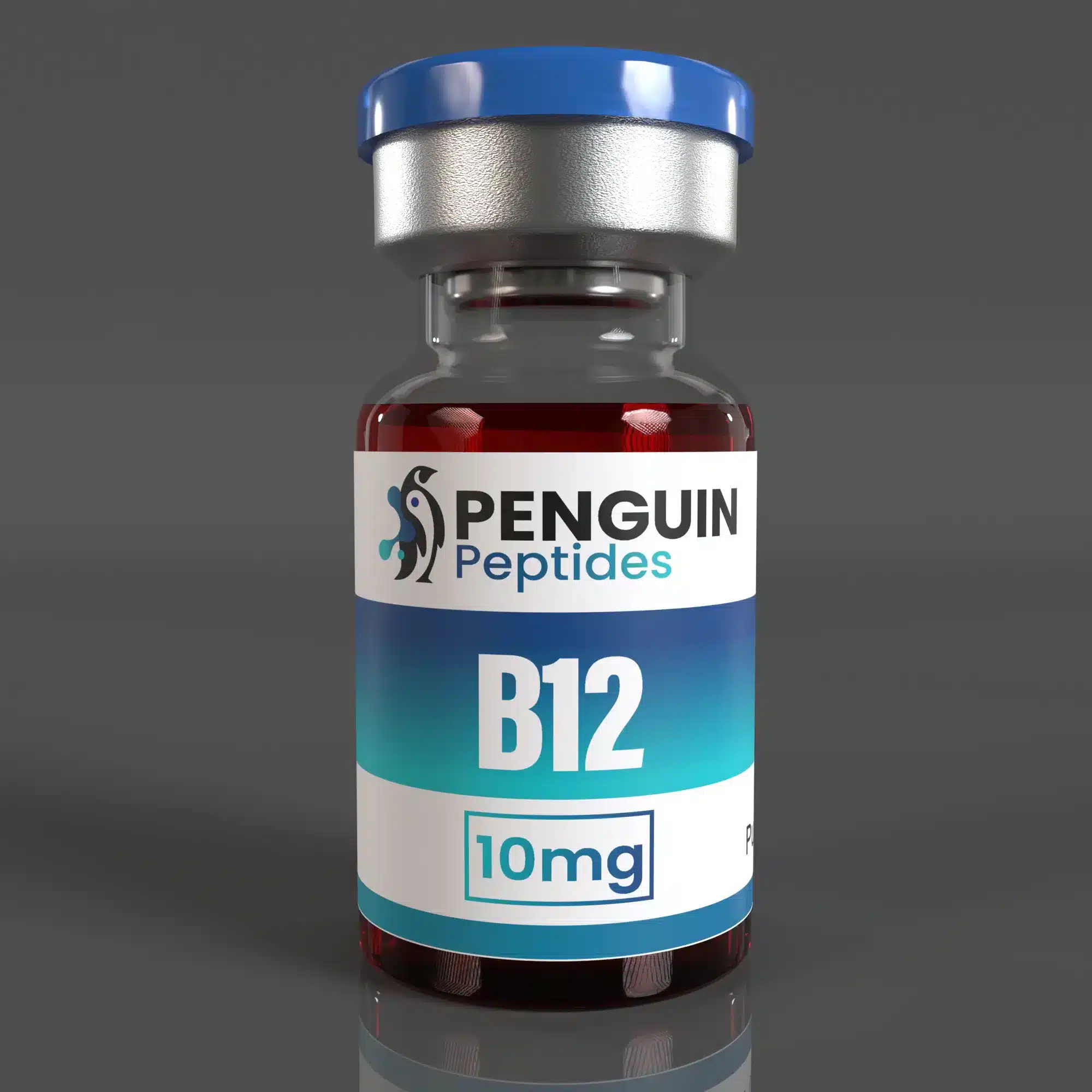
The Complete Guide to Vitamin B12 (Cyanocobalamin): Benefits, Sources, and Dosage
If you’ve ever looked at the label of a multivitamin or energy supplement, you’ve likely seen the term Vitamin B12 (Cyanocobalamin) listed among the ingredients. But what exactly is it, and why is it so crucial for your overall health?
Vitamin B12 is an essential water-soluble nutrient that plays a foundational role in your body’s energy production, nerve function, and DNA synthesis. Because your body cannot produce it on its own, you must get it through your diet or supplementation.
In this comprehensive guide, we will explore the top benefits of Vitamin B12 (Cyanocobalamin), the best food sources to include in your diet, and how to spot the warning signs of a deficiency.
What is Vitamin B12 (Cyanocobalamin)?
Vitamin B12, also known as cobalamin, is a vital nutrient required for healthy blood, brain, and nerve function.
Cyanocobalamin is a specific, synthetic form of Vitamin B12. While it does not occur naturally in the human body or in food, it is widely used in dietary supplements and fortified foods. Why? Because cyanocobalamin is highly stable, cost-effective, and easily converted by your body into the active forms of B12 (methylcobalamin and adenosylcobalamin) that your cells actually use.
Top Health Benefits of Vitamin B12 (Cyanocobalamin)
Ensuring you meet your daily requirements for this vital nutrient offers a wide array of health benefits. Here is how Vitamin B12 (Cyanocobalamin) supports your body:
1. Boosts Energy and Fights Fatigue
Vitamin B12 is famous for its role in energy metabolism. It helps your body convert the carbohydrates from the food you eat into usable glucose. If you are feeling constantly sluggish, a B12 deficiency might be the culprit. Supplementing with cyanocobalamin can help restore your natural energy levels and combat chronic fatigue.
2. Supports Nervous System Health
B12 is essential for the maintenance of the myelin sheath—the protective coating that surrounds your nerves. Without adequate Vitamin B12 (Cyanocobalamin), nerve damage can occur, leading to tingling, numbness, and cognitive decline.
3. Essential for Red Blood Cell Formation
Your body needs B12 to produce healthy red blood cells. A lack of this vitamin can cause your red blood cells to become abnormally large and inefficient, a condition known as megaloblastic anemia. This results in severe fatigue and weakness.
4. Promotes Heart Health by Lowering Homocysteine
High levels of an amino acid called homocysteine are linked to an increased risk of heart disease. Vitamin B12 works alongside folate (Vitamin B9) to break down homocysteine, thereby supporting cardiovascular health and reducing the risk of heart attacks and strokes.
5. Supports Bone Health and Prevents Osteoporosis
Recent nutritional studies suggest that maintaining optimal levels of Vitamin B12 is linked to better bone mineral density. Low levels of B12 have been associated with an increased risk of osteoporosis, particularly in older adults.
Best Food Sources of Vitamin B12
Because Vitamin B12 is primarily found in animal products, those following plant-based diets need to be especially mindful of their intake. Here are the best sources of B12:
Animal-Based Sources:
- Clams and Liver: The absolute highest natural sources of B12.
- Fish: Salmon, trout, tuna, and sardines.
- Meat: Beef, chicken, and turkey.
- Dairy and Eggs: Milk, yogurt, cheese, and whole eggs.
Plant-Based and Fortified Sources (Ideal for Vegans/Vegetarians):
- Fortified nutritional yeast
- Fortified plant-based milks (almond, soy, oat)
- Fortified breakfast cereals
- Note: Seaweed and spirulina contain “pseudo-B12,” which is not biologically active for humans. Vegans should rely on fortified foods or a Cyanocobalamin supplement.
Signs of Vitamin B12 Deficiency
A deficiency in Vitamin B12 (Cyanocobalamin) can develop slowly over time, making it easy to miss. Common symptoms include:
- Chronic fatigue and lethargy
- Brain fog, memory loss, or difficulty concentrating
- Tingling or numbness in the hands and feet (neuropathy)
- Pale or yellowish skin (jaundice)
- A swollen, inflamed tongue (glossitis)
- Mood changes, including depression and irritability
Who is at risk? Older adults, individuals with gastrointestinal disorders (like Crohn’s or Celiac disease), people taking long-term antacids or metformin, and strict vegans/vegetarians are at the highest risk for deficiency.
Recommended Dosage and Supplementation
The recommended daily allowance (RDA) for most adults is 2.4 micrograms (mcg) per day. Pregnant and breastfeeding women require slightly more (2.6 mcg and 2.8 mcg, respectively).
If you cannot get enough B12 through your diet, a Vitamin B12 (Cyanocobalamin) supplement is a highly effective solution. Because B12 is water-soluble, your body will simply excrete what it doesn’t need through urine, making it very safe with a low risk of toxicity.
Cyanocobalamin supplements are available in various forms, including:
- Oral tablets and capsules
- Sublingual drops or lozenges (dissolved under the tongue for faster absorption)
- B12 injections (administered by a healthcare professional for severe deficiencies)
Frequently Asked Questions (FAQ)
What is the difference between Cyanocobalamin and Methylcobalamin?
Cyanocobalamin is a synthetic, highly stable form of B12 commonly used in supplements. Methylcobalamin is the naturally occurring, active form. Your body easily converts cyanocobalamin into methylcobalamin, making cyanocobalamin an excellent, cost-effective choice for daily supplementation.
Can I get enough Vitamin B12 from a vegan diet?
It is very difficult to get enough naturally occurring B12 from a strict vegan diet. Vegans should consume B12-fortified foods daily or take a reliable Vitamin B12 (Cyanocobalamin) supplement to prevent deficiency.
How long does it take for B12 supplements to work?
If you are treating a deficiency, you may notice improvements in your energy levels and mood within a few weeks. However, it can take several months for neurological symptoms, like tingling or numbness, to fully resolve.
The Bottom Line
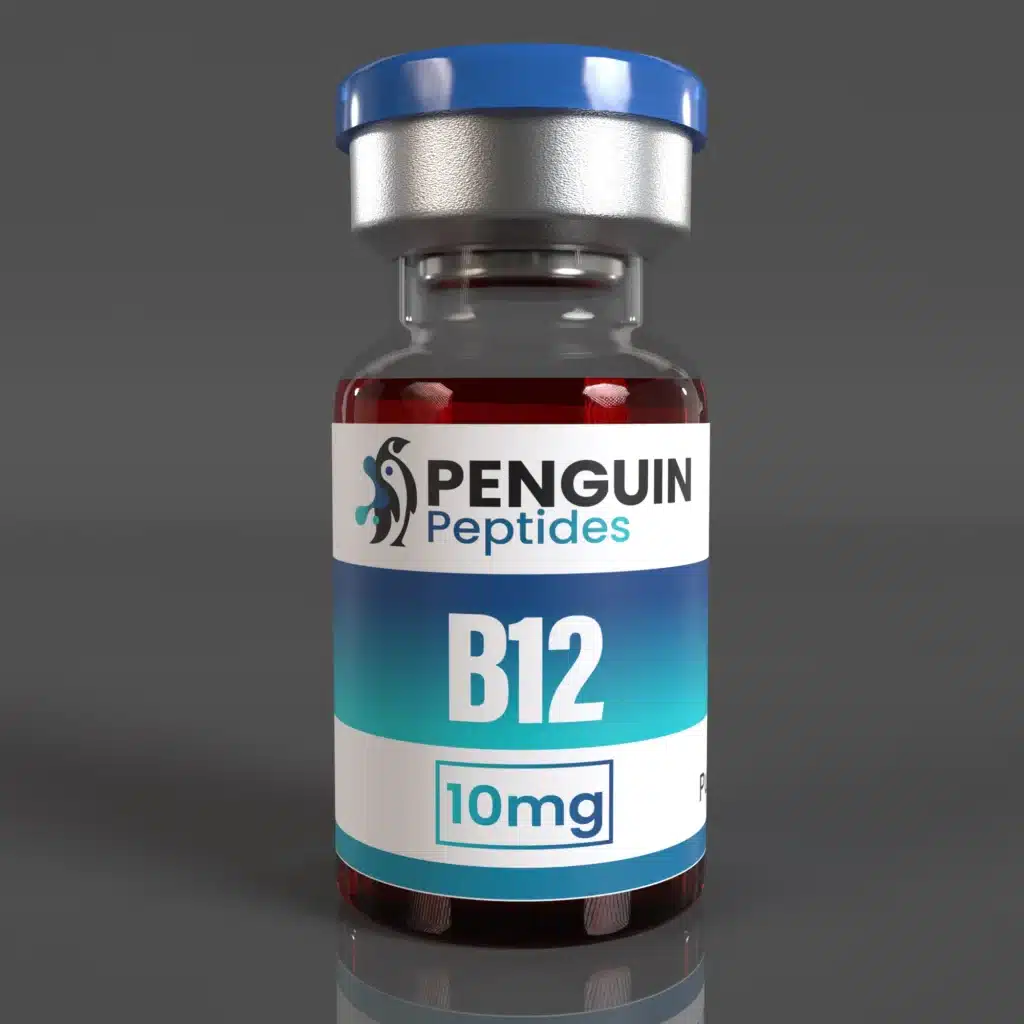
Vitamin B12 (Cyanocobalamin) is a non-negotiable nutrient for your energy, brain health, and nervous system. Whether you get it from a hearty steak, a bowl of fortified cereal, or a daily sublingual supplement, ensuring you meet your daily requirements is one of the simplest ways to protect your long-term health. Cheap research peptides at new penguin peptides.
Related products
Obesity Research
Price range: €64.00 through €450.00
Obesity Research
Price range: €164.00 through €355.00
Obesity Research
Price range: €65.00 through €195.00
Obesity Research
€55.00
Obesity Research
Price range: €72.00 through €130.00
Obesity Research
Price range: €45.00 through €525.00
Obesity Research
Price range: €37.00 through €85.00
Vasodilator Research
€37.00