
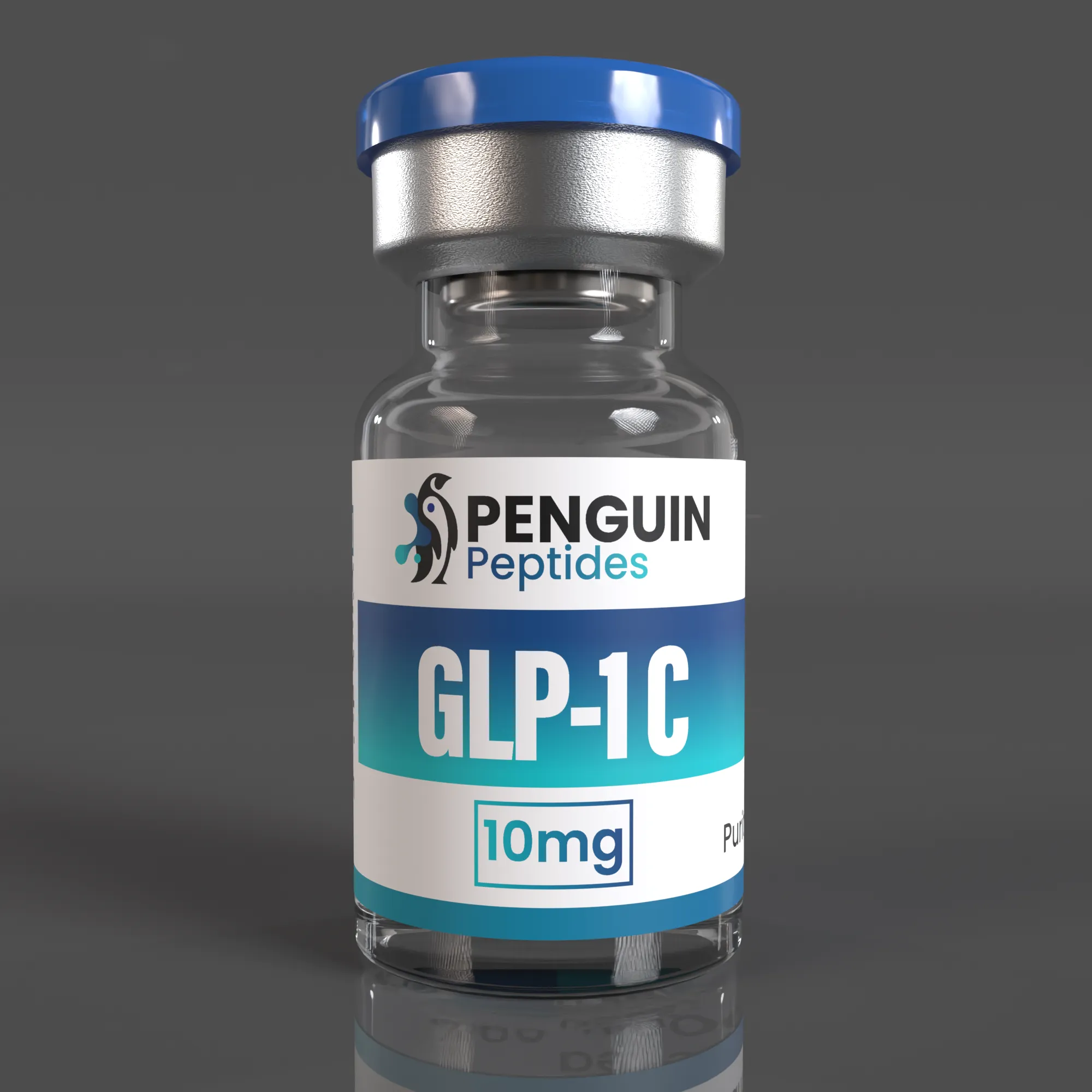
Buy GLP-1 Cagrilintide 5mg
Price range: €72.00 through €130.00
Cagrilintide is a novel, long-acting amylin analog developed by Novo Nordisk. While commonly grouped under the “GLP-1” umbrella in popular discussion due to its synergistic relationship with GLP-1 receptor agonists, cagrilintide works through a distinct but complementary mechanism. The GLP-1 Cagrilintide 5mg dosage represents a clinically studied strength that has demonstrated meaningful efficacy in trials.
GLP-1 Cagrilintide 5mg: Benefits, Dosage & Complete Guide (2026)
What Is GLP-1 Cagrilintide 5mg?
Key Distinction: Amylin Analog vs. GLP-1 Receptor Agonist
How Does Cagrilintide Work? Mechanism of Action
- Appetite Suppression: Cagrilintide activates amylin receptors in the area postrema and nucleus tractus solitarius of the brainstem, significantly reducing hunger signals and caloric intake.
- Gastric Emptying Modulation: It slows the rate at which food leaves the stomach, promoting prolonged satiety after meals.
- Glucagon Suppression: Cagrilintide helps regulate postprandial glucose spikes by inhibiting inappropriate glucagon secretion.
- Synergistic Action: When paired with GLP-1 receptor agonists, cagrilintide produces additive and potentially supra-additive weight loss effects through complementary neural pathways.
Clinical Benefits of GLP-1 Cagrilintide 5mg
1. Significant Weight Loss
2. Enhanced Results with CagriSema
3. Improved Glycemic Control
4. Cardiovascular Risk Reduction
GLP-1 Cagrilintide 5mg Dosage Guidelines
|
Phase
|
Typical Dose
|
Frequency
|
|---|---|---|
|
Initiation
|
0.25 mg – 0.5 mg
|
Once weekly
|
|
Escalation
|
1.0 mg – 2.4 mg
|
Once weekly
|
|
Investigational / Research
|
Up to 4.5 mg – 5 mg
|
Once weekly
|
Important: The GLP-1 Cagrilintide 5mg dose is primarily referenced in research and dose-finding contexts. Always follow the guidance of a qualified healthcare provider. Dose escalation should be gradual to minimize gastrointestinal side effects.
Administration
Potential Side Effects
- Common: Nausea, vomiting, diarrhea, constipation, decreased appetite
- Less Common: Abdominal pain, injection site reactions, fatigue, dizziness
- Rare but Serious: Pancreatitis, gallbladder disorders, severe allergic reactions
Managing Side Effects
- Follow a gradual dose-escalation schedule
- Eat smaller, more frequent meals
- Stay well-hydrated
- Avoid high-fat or heavily processed foods during the adjustment period
- Report persistent or severe symptoms to your healthcare provider immediately
GLP-1 Cagrilintide 5mg vs. Semaglutide vs. Tirzepatide
|
Feature
|
Cagrilintide
|
Semaglutide
|
Tirzepatide
|
|---|---|---|---|
|
Class
|
Amylin analog
|
GLP-1 RA
|
Dual GIP/GLP-1 RA
|
|
Mechanism
|
Amylin receptor agonist
|
GLP-1 receptor agonist
|
GIP + GLP-1 receptor agonist
|
|
Dosing
|
Once weekly
|
Once weekly
|
Once weekly
|
|
Weight Loss (monotherapy)
|
Up to ~11%
|
Up to ~15%
|
Up to ~22%
|
|
Combination Potential
|
Synergistic with GLP-1 RAs
|
Standalone or combo
|
Standalone
|
Current Research and Regulatory Status (2026)
- REDEFINE Phase 3 Program: Multiple large-scale trials evaluating CagriSema (cagrilintide + semaglutide) for obesity, type 2 diabetes, and cardiovascular outcomes.
- NASH/MASH Studies: Early investigations into cagrilintide’s potential for treating metabolic dysfunction-associated steatohepatitis.
- Regulatory Filings: Anticipated FDA and EMA submissions for CagriSema are expected in the mid-to-late 2020s timeline.
Who May Benefit from GLP-1 Cagrilintide 5mg?
- Adults with obesity (BMI ≥ 30) or overweight (BMI ≥ 27) with weight-related comorbidities
- Individuals with type 2 diabetes seeking improved glycemic control and weight management
- Patients who have experienced weight loss plateaus on GLP-1 monotherapy
- Those seeking non-surgical alternatives for significant weight reduction
Frequently Asked Questions
Is GLP-1 Cagrilintide 5mg FDA-approved?
Can I take GLP-1 Cagrilintide 5mg with other medications?
How quickly does GLP-1 Cagrilintide 5mg work?
Is cagrilintide the same as semaglutide?
Conclusion
As Phase 3 data matures and regulatory decisions approach, cagrilintide is poised to become a cornerstone therapy in the treatment of obesity and type 2 diabetes. Stay informed, consult qualified healthcare professionals, and follow emerging research to understand how this innovative compound may fit into your health journey.
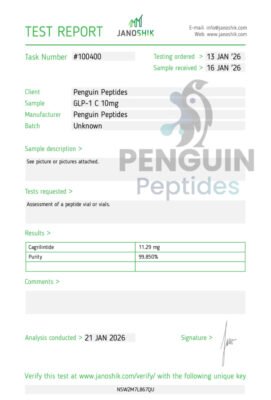
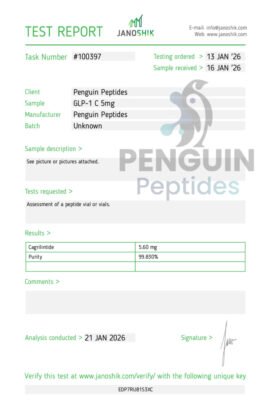
| MG | 10 mg, 5 mg |
|---|
Related products
Obesity Research
Recovery Research
Obesity Research
Obesity Research
Obesity Research
Obesity Research
Obesity Research
Obesity Research