
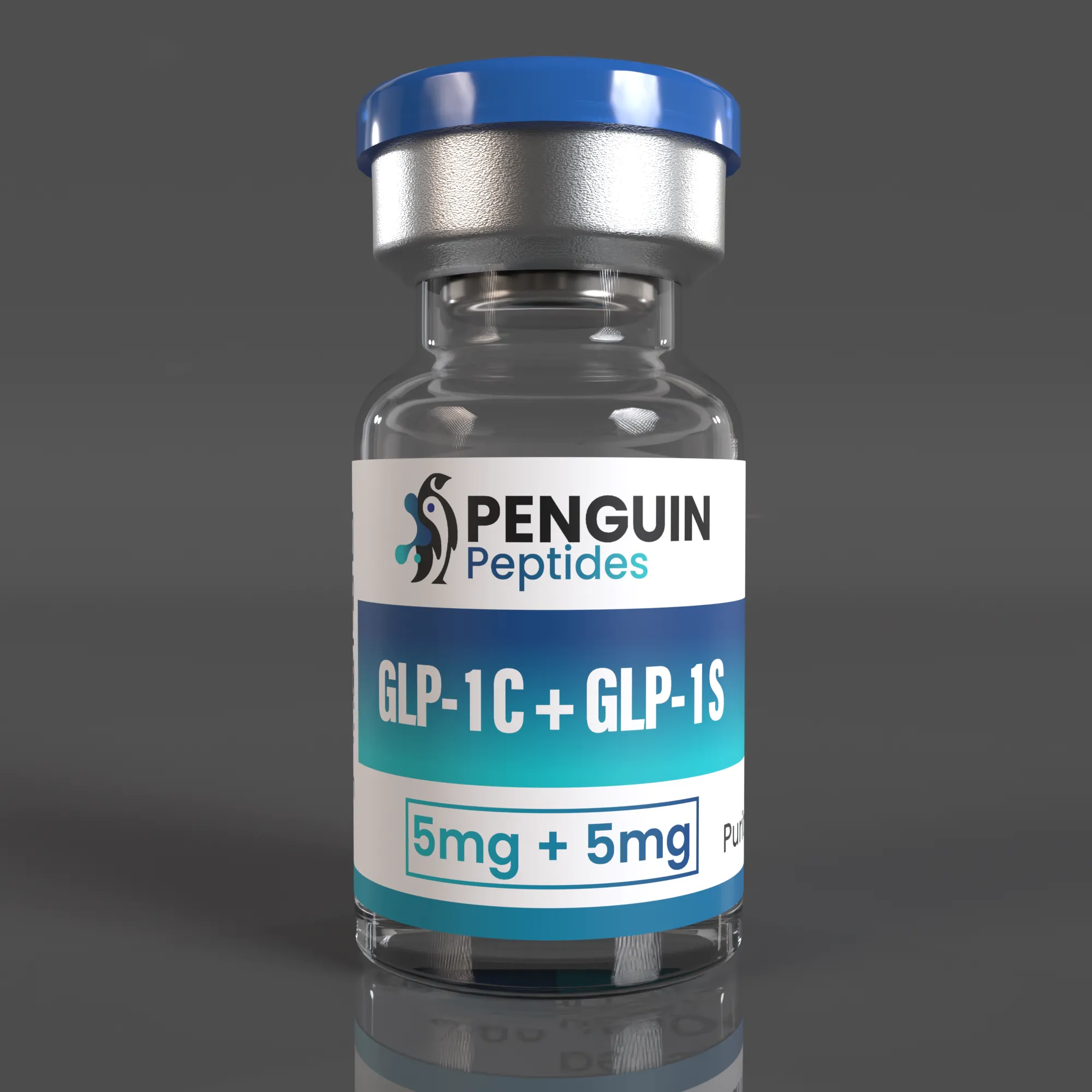
Buy GLP-1 C + GLP-1 S
€102.00
The landscape of metabolic health, obesity, and type 2 diabetes management has undergone a massive transformation in recent years. At the forefront of this medical revolution are incretin-based therapies. However, as research advances, the conversation has shifted from basic treatments to advanced formulations, specifically the comparison and combination of GLP-1 C + GLP-1 S therapies.
GLP-1 C + GLP-1 S: Revolutionizing Weight Loss and Diabetes Management
The landscape of metabolic health, obesity, and type 2 diabetes management has undergone a massive transformation in recent years. At the forefront of this medical revolution are incretin-based therapies. However, as research advances, the conversation has shifted from basic treatments to advanced formulations, specifically the comparison and combination of GLP-1 C + GLP-1 S therapies.
But what exactly do these terms mean, and how are they changing the future of patient care? Whether you are a patient exploring weight loss options or a healthcare professional tracking the latest endocrinology trends, understanding the dynamics of GLP-1 C + GLP-1 S is essential.
Understanding the Basics: What are GLP-1 S and GLP-1 C?
To understand the synergistic power of these treatments, we first need to define the terminology used in modern metabolic medicine:
- GLP-1 S (Single GLP-1 Therapies): This refers to single-action Glucagon-Like Peptide-1 receptor agonists. These are the pioneering medications like semaglutide (Ozempic, Wegovy) and liraglutide (Saxenda, Victoza). They work by mimicking a single hormone to regulate blood sugar, slow gastric emptying, and signal satiety to the brain.
- GLP-1 C (GLP-1 Combination Therapies): This refers to next-generation combination treatments. The most notable example is the combination of semaglutide with cagrilintide (an amylin analog), often referred to in clinical circles as CagriSema. Other combinations include dual GLP-1/GIP agonists (like tirzepatide) or emerging triple-agonists.
When we discuss GLP-1 C + GLP-1 S, we are looking at the evolution from single-hormone mimics to multi-hormone combination therapies designed for maximum metabolic impact.
How GLP-1 C + GLP-1 S Therapies Work in the Body
The human body’s weight and glucose regulation are controlled by a complex network of hormones. Single therapies (GLP-1 S) target one specific pathway, but combination therapies (GLP-1 C) target multiple pathways simultaneously.
The Mechanism of GLP-1 S
Single GLP-1 receptor agonists bind to GLP-1 receptors in the pancreas, brain, and gut. They stimulate insulin release, inhibit glucagon secretion, and act on the hypothalamus to reduce appetite. While highly effective, the body can sometimes adapt to single-hormone signaling over time.
The Synergistic Power of GLP-1 C
Combination therapies take this a step further. By pairing a GLP-1 agonist with another hormone analog (such as amylin), GLP-1 C treatments create a synergistic effect.
- Enhanced Satiety: While GLP-1 targets short-term mealtime satiety, amylin analogs help regulate longer-term energy balance.
- Improved Tolerability: Combining hormones can sometimes allow for better efficacy without proportionally increasing the side effects associated with max-dosing a single GLP-1.
GLP-1 C vs. GLP-1 S: Comparing Efficacy and Benefits
When comparing GLP-1 C + GLP-1 S outcomes in clinical trials, the combination therapies consistently show superior results in several key metrics:
1. Superior Weight Loss
While GLP-1 S medications like semaglutide pioneered the 15% to 20% body weight loss milestone, GLP-1 C combinations are pushing the boundaries even further. Clinical data for combination therapies have shown patients achieving 22% to 25%+ total body weight loss, approaching the results seen in bariatric surgery.
2. Better Glycemic Control
For patients with type 2 diabetes, lowering HbA1c is critical. Because GLP-1 C therapies utilize multiple pathways to regulate glucose metabolism and insulin sensitivity, they offer more robust and sustained blood sugar control compared to single agonists.
3. Cardiovascular and Metabolic Health
Both single and combination therapies offer profound cardiovascular benefits, including reduced blood pressure and improved lipid profiles. However, the enhanced weight loss achieved with combination therapies often leads to greater reductions in visceral fat, which is directly linked to cardiovascular disease risk.
Potential Side Effects and Safety Considerations
As with any powerful medication, GLP-1 C + GLP-1 S treatments come with potential side effects. Because these drugs alter digestion and appetite, the most commonly reported issues are gastrointestinal.
- Common Side Effects: Nausea, vomiting, diarrhea, constipation, and abdominal pain. These are usually mild to moderate and tend to subside as the body adjusts to the medication.
- Muscle Mass Loss: Rapid weight loss can lead to a loss of lean muscle mass. Healthcare providers highly recommend combining these medications with resistance training and a high-protein diet.
- Long-Term Monitoring: Patients on combination therapies require regular monitoring by a healthcare provider to ensure kidney function, gallbladder health, and overall metabolic stability.
Who is a Candidate for GLP-1 C + GLP-1 S Treatments?
The criteria for prescribing these medications generally align with standard metabolic guidelines:
- For Weight Management: Adults with a BMI of 30 or higher (obesity), or a BMI of 27 or higher (overweight) with at least one weight-related comorbidity (e.g., hypertension, type 2 diabetes, or high cholesterol).
- For Diabetes Management: Adults with type 2 diabetes who need improved glycemic control, especially those who have not reached their targets on standard therapies like metformin.
Note: The specific availability and approval of GLP-1 C combination therapies may vary by region and are subject to ongoing FDA and global regulatory updates.
The Future of Metabolic Health
The evolution from GLP-1 S to GLP-1 C represents a monumental leap forward in endocrinology and obesity medicine. We are no longer just managing symptoms; we are fundamentally altering the body’s metabolic set-point.
As research continues to refine dosing, improve delivery methods (such as oral pills instead of injections), and explore new hormone combinations, the GLP-1 C + GLP-1 S paradigm will remain at the center of metabolic care.
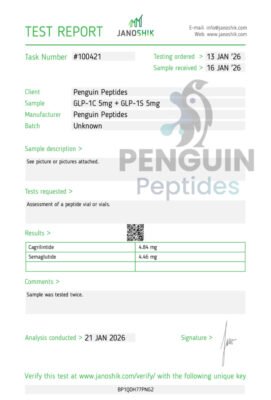
If you are considering these treatments, the most important first step is to consult with a board-certified endocrinologist or a specialized weight-management physician. They can help you navigate the differences between single and combination therapies and design a protocol tailored to your unique biological needs. Always make sure to get peptides with certificate of analysis.
Related products
Recovery Research
Price range: €42.00 through €62.00
Recovery Research
€67.00
Obesity Research
Price range: €72.00 through €130.00
Recovery Research
Price range: €54.00 through €105.00
Obesity Research
Price range: €37.00 through €85.00
Recovery Research
Price range: €72.00 through €105.00
Sexual Research
€55.00
Immune Research
€45.00