
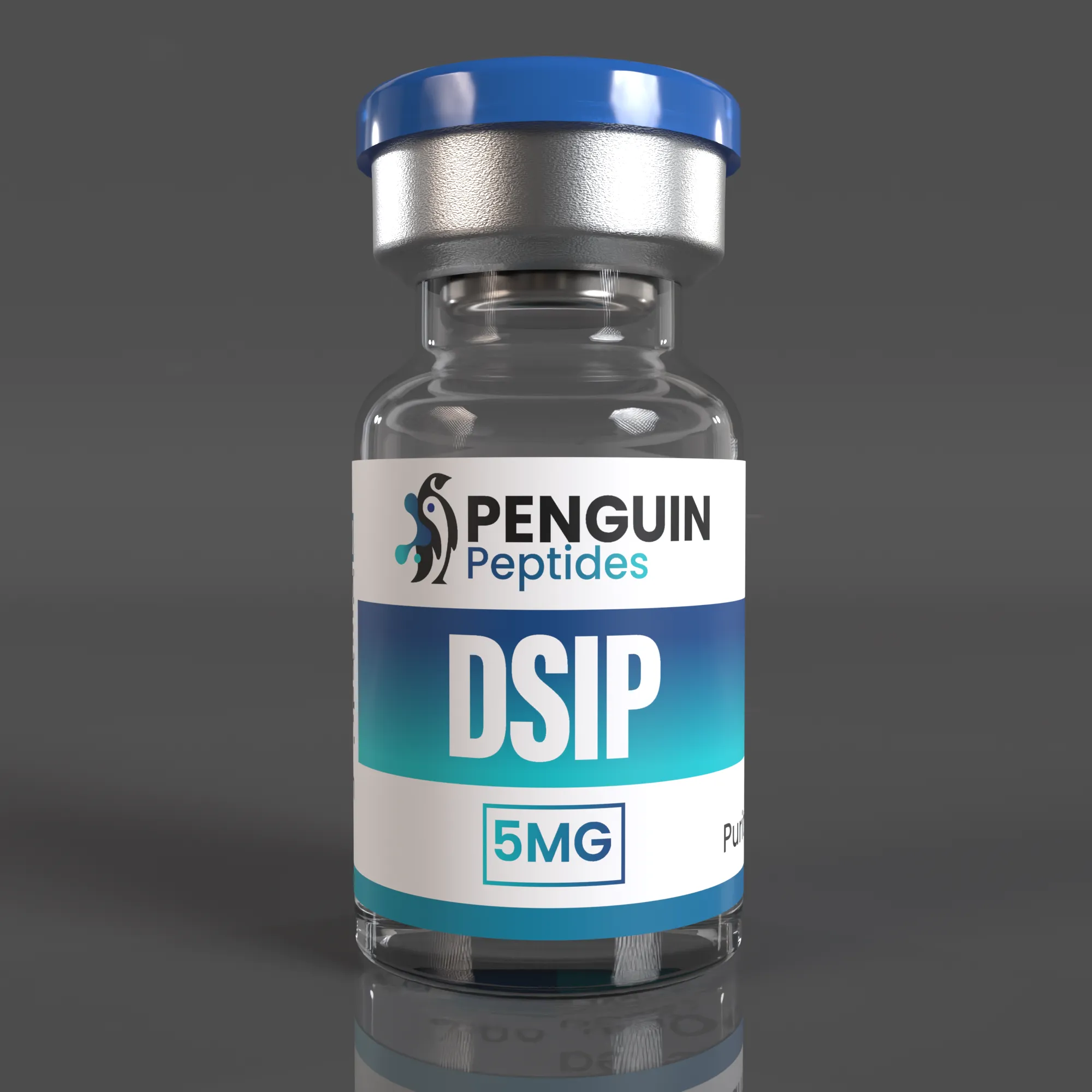
Buy Delta Sleep-Inducing Peptide
€40.00
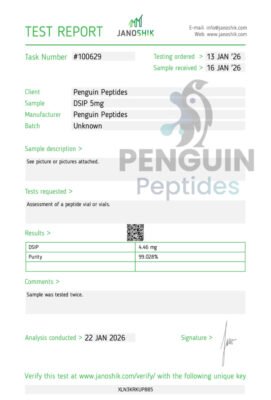
The Delta Sleep-Inducing Peptide is a naturally occurring 14-amino acid peptide found in the brain and central nervous system of humans and other mammals. It was first discovered in 1977 by Swiss scientists who were studying the brain waves of sleeping rabbits. They noticed that a specific substance extracted from the brain tissue of sleep-deprived rabbits induced “delta waves” (slow-wave, deep sleep) when injected into other rabbits.
The Complete Guide to Delta Sleep-Inducing Peptide (DSIP)
In today’s fast-paced world, achieving high-quality, restorative sleep is a challenge for millions. While traditional sleep aids often rely on heavy sedation, researchers and biohackers are increasingly turning to the body’s natural biology for solutions. Enter the Delta Sleep-Inducing Peptide (commonly known as DSIP), a fascinating neuropeptide that has shown remarkable potential in regulating sleep cycles, managing stress, and promoting overall neurological health.
If you are looking to optimize your sleep architecture and understand the science behind this powerful peptide, this comprehensive guide will cover everything you need to know about the Delta Sleep-Inducing Peptide.
What is Delta Sleep-Inducing Peptide (DSIP)?
The Delta Sleep-Inducing Peptide is a naturally occurring 14-amino acid peptide found in the brain and central nervous system of humans and other mammals. It was first discovered in 1977 by Swiss scientists who were studying the brain waves of sleeping rabbits. They noticed that a specific substance extracted from the brain tissue of sleep-deprived rabbits induced “delta waves” (slow-wave, deep sleep) when injected into other rabbits.
Since its discovery, DSIP has been identified as a crucial neuromodulator. It is synthesized in the hypothalamus and plays a vital role in the body’s natural circadian rhythms, stress response, and sleep-wake cycle regulation.
How Does the DSIP Peptide Work in the Body?
To understand the benefits of DSIP, it is essential to understand how it interacts with the brain. The primary function of the Delta Sleep-Inducing Peptide is to promote and maintain slow-wave sleep (SWS), also known as Stage 3 or deep sleep.
During deep sleep, the brain produces delta waves, which are critical for physical recovery, memory consolidation, and immune system strengthening. DSIP works by:
- Modulating Brain Waves: It directly influences the thalamocortical networks in the brain, encouraging the shift from lighter sleep stages into the restorative delta-wave state.
- Regulating the HPA Axis: DSIP interacts with the hypothalamic-pituitary-adrenal (HPA) axis, which is the body’s central stress response system. By modulating this axis, DSIP helps lower cortisol levels and mitigate the physical effects of stress.
- Influencing Neurotransmitters: It interacts with various neurotransmitter systems, including GABA and serotonin, which are essential for relaxation and mood stabilization.
Potential Benefits of Delta Sleep-Inducing Peptide
While much of the research on DSIP is still in the preclinical or experimental stages, studies on the DSIP peptide have highlighted several promising therapeutic benefits.
1. Enhanced Deep Sleep Quality
As its name suggests, the most well-documented benefit of the Delta Sleep-Inducing Peptide is its ability to increase the duration and quality of deep sleep. Unlike traditional sleep medications that simply knock you out, DSIP appears to enhance the natural architecture of sleep, leading to more restorative rest and reduced daytime fatigue.
2. Stress and Anxiety Reduction
Because DSIP modulates the HPA axis, it exhibits significant anti-stress properties. Research suggests that DSIP can protect the body from the damaging effects of chronic stress, reducing anxiety-like behaviors and preventing stress-induced physiological changes, such as elevated blood pressure and gastric ulcers.
3. Neuroprotection and Brain Health
Deep sleep is when the brain clears out metabolic waste, including amyloid-beta plaques associated with neurodegenerative diseases. By promoting delta sleep, the Delta Sleep-Inducing Peptide may offer neuroprotective benefits, supporting long-term cognitive function and brain health.
4. Pain Management and Anti-Inflammatory Effects
Emerging research indicates that DSIP may possess analgesic (pain-relieving) and anti-inflammatory properties. By reducing systemic stress and improving sleep quality, DSIP may help lower the perception of chronic pain and support the body’s natural healing processes.
DSIP vs. Traditional Sleep Aids
How does the Delta Sleep-Inducing Peptide compare to conventional sleep medications like benzodiazepines, Z-drugs, or even over-the-counter melatonin?
- Mechanism of Action: Traditional sleep aids often act as central nervous system depressants, forcing the brain into a sedated state that mimics sleep but lacks restorative deep sleep phases. DSIP, conversely, works with the brain’s natural neurochemistry to encourage genuine slow-wave sleep.
- Dependency and Tolerance: Benzodiazepines and Z-drugs carry a high risk of dependency, tolerance, and withdrawal. Because DSIP is an endogenous (naturally occurring) peptide, it is not associated with the same addictive profiles or severe withdrawal symptoms.
- Next-Day Grogginess: Traditional sedatives frequently cause a “hangover” effect. By improving natural sleep architecture, DSIP users often report waking up feeling more refreshed and alert.
Safety, Side Effects, and Legal Status
It is crucial to approach the Delta Sleep-Inducing Peptide with an understanding of its current regulatory and research status.
Currently, DSIP is not approved by the FDA as a pharmaceutical drug for the treatment of insomnia or any other medical condition. In many regions, it is classified and sold strictly as a research chemical.
Potential Side Effects: Because human clinical trials are still limited, the long-term safety profile of exogenous DSIP is not fully established. However, in existing studies, it has been generally well-tolerated. Reported mild side effects in anecdotal and early research settings may include:
- Injection site irritation (if administered subcutaneously)
- Mild headaches
- Drowsiness during the day if dosed incorrectly
Always consult with a qualified healthcare professional before beginning any peptide regimen, especially if you are taking other medications or have underlying health conditions.
Frequently Asked Questions (FAQ)
Is Delta Sleep-Inducing Peptide safe for human use? While DSIP is a naturally occurring peptide in the human body, supplemental or exogenous use is still largely in the research phase. It is generally considered well-tolerated in studies, but you should consult a medical professional before use.
How is the DSIP peptide administered? In research settings, DSIP is most commonly administered via subcutaneous or intravenous injection. Because it is a peptide, it would be destroyed by stomach acid if taken orally, making injections the most bioavailable route.
Can I take DSIP with other sleep supplements like Melatonin? Melatonin regulates the sleep-wake cycle (circadian rhythm), while DSIP promotes the actual architecture of deep sleep. While they work via different mechanisms, combining peptides and supplements should only be done under the guidance of a healthcare provider.
Conclusion
The Delta Sleep-Inducing Peptide represents a fascinating frontier in sleep science and neurobiology. By targeting the root mechanisms of slow-wave sleep and stress regulation, DSIP offers a promising, biologically aligned approach to sleep optimization that stands in stark contrast to traditional sedatives at this Research peptide shop
As research continues to evolve, the DSIP peptide may unlock new, highly effective therapies for insomnia, chronic stress, and neurodegenerative conditions. Until then, it remains a highly intriguing subject of study for scientists and biohackers alike.
Related products
Sexual Research
€42.00
Recovery Research
€42.00
Recovery Research
Price range: €54.00 through €105.00
Recovery Research
€62.00
Immune Research
€45.00
Recovery Research
Price range: €58.00 through €100.00
Immune Research
Price range: €59.00 through €95.00
Inflammation Research
€69.00