
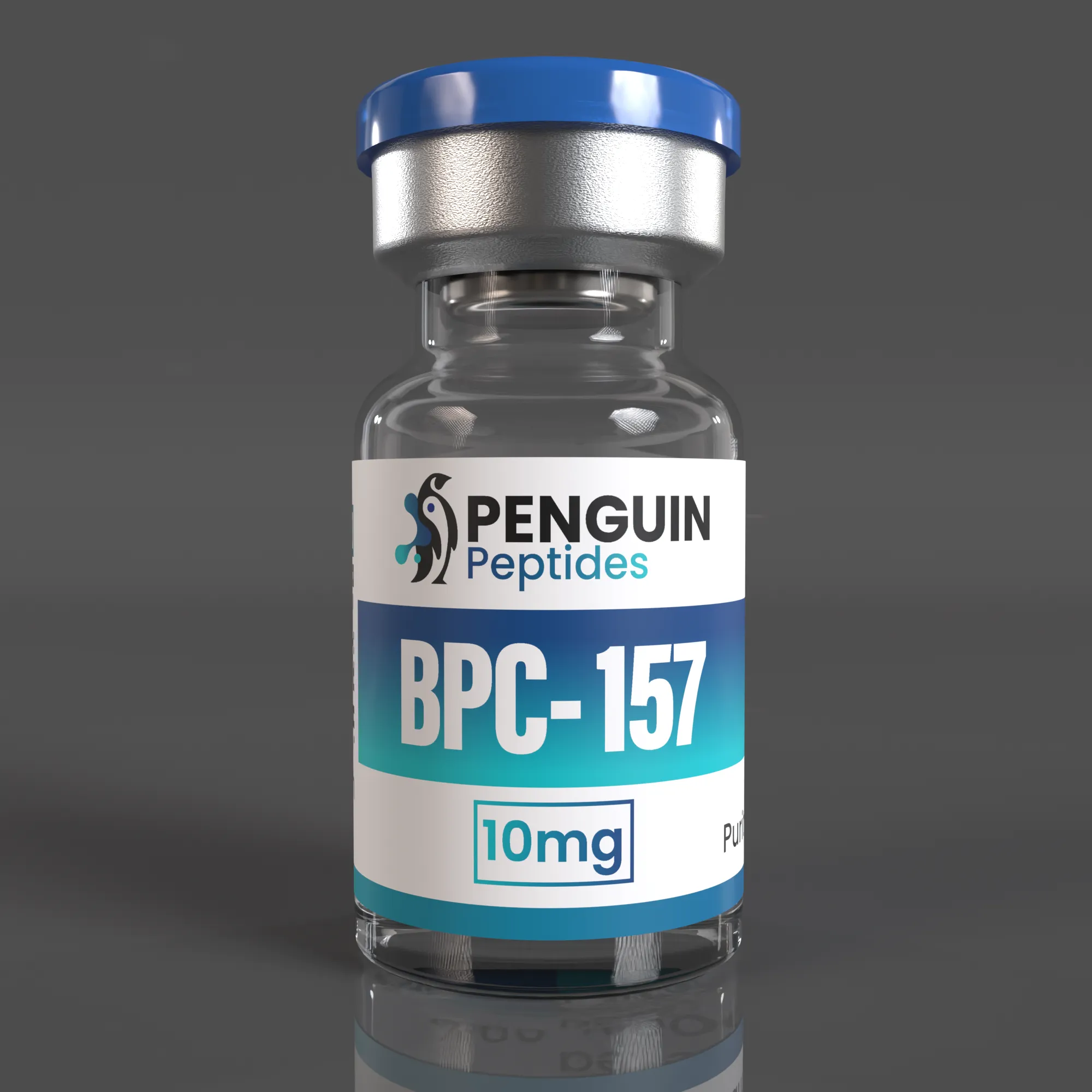
Buy BPC-157 peptide
Price range: €42.00 through €62.00
BPC-157 peptide stands for Body Protection Compound-157. It is a synthetic peptide consisting of 15 amino acids. The sequence is derived from a natural protein found in the stomach’s gastric juice, which is known to play a crucial role in maintaining the integrity of the gastrointestinal tract and promoting digestive health.
The Complete Guide to the BPC-157 Peptide: Benefits, Research, and Safety
In the rapidly evolving world of regenerative medicine and peptide therapy, few compounds have generated as much interest—and controversy—as the BPC-157 peptide. Originally derived from a protective protein found in human gastric juice, BPC-157 has gained a massive following among athletes, biohackers, and those seeking alternative recovery solutions.
But what exactly is BPC-157, and does the science back up the hype?
In this comprehensive 2026 guide, we will explore the potential benefits of the BPC-157 peptide, how it works in the body, its side effects, and its current legal and regulatory status.
What is the BPC-157 Peptide?
BPC-157 stands for Body Protection Compound-157. It is a synthetic peptide consisting of 15 amino acids. The sequence is derived from a natural protein found in the stomach’s gastric juice, which is known to play a crucial role in maintaining the integrity of the gastrointestinal tract and promoting digestive health.
Because it is a stable gastric pentadecapeptide, BPC-157 survives the harsh acidic environment of the stomach, which is why it is often administered orally for gut health or via subcutaneous injection for targeted tissue repair.
Potential BPC-157 Benefits and Uses
While human clinical trials are still lacking, decades of in vitro and animal studies suggest that the BPC-157 peptide possesses remarkable systemic healing properties. Researchers have primarily focused on the following potential benefits:
1. Accelerated Tendon and Ligament Repair
One of the primary reasons athletes turn to peptide therapy is BPC-157’s potential to accelerate the healing of soft tissues. Research indicates that it may speed up the recovery of torn ligaments, tendons, and muscles by promoting the formation of new blood vessels (angiogenesis) and increasing the expression of growth hormone receptors in targeted tissues.
2. Gastrointestinal Healing
Given its origins in gastric juice, it is no surprise that the BPC-157 peptide shows immense promise for gut health. Animal models have demonstrated its ability to heal stomach ulcers, repair intestinal damage, and alleviate symptoms of inflammatory bowel diseases (IBD) such as Crohn’s disease and ulcerative colitis. It is also frequently explored for treating “leaky gut” syndrome.
3. Joint and Bone Health
Studies suggest that BPC-157 may help mitigate joint pain and promote the healing of bone fractures. By modulating the nitric oxide (NO) system, the peptide may reduce inflammation in the joints, offering potential relief for those suffering from osteoarthritis or repetitive stress injuries.
4. Neuroprotective Effects
Emerging research is investigating the BPC-157 peptide’s impact on the central nervous system. Animal studies have shown that it may help protect against brain damage, promote the repair of peripheral nerves, and even exhibit antidepressant-like effects by interacting with the dopaminergic and serotonergic systems.
How Does BPC-157 Work?
The exact mechanism of action of the BPC-157 peptide is still being studied, but scientists have identified a few key pathways:
- Angiogenesis: BPC-157 promotes the creation of new blood vessels, which delivers essential oxygen and nutrients to damaged tissues, speeding up the repair process.
- Nitric Oxide Modulation: It regulates the nitric oxide system, which is vital for blood flow, wound healing, and reducing localized inflammation.
- Growth Factor Expression: The peptide is believed to upregulate the expression of growth factors like VEGF (Vascular Endothelial Growth Factor), which are critical for tissue regeneration.
BPC-157 Side Effects and Safety Concerns
Because the BPC-157 peptide has not undergone large-scale, randomized human clinical trials, its long-term safety profile in humans remains unknown. However, based on animal data and anecdotal reports, potential side effects and concerns include:
- Injection Site Reactions: When administered via subcutaneous injection, users may experience redness, swelling, or pain at the injection site.
- Nausea and Flushing: Some anecdotal reports mention mild nausea or a “flushing” sensation shortly after administration.
- The Angiogenesis Paradox (Cancer Risk): Because BPC-157 promotes the growth of new blood vessels (angiogenesis), there is a theoretical concern that it could inadvertently promote the growth of existing tumors or cancer cells. Individuals with a history of cancer or active malignancies are strongly advised to avoid this peptide.
Legal and Regulatory Status in 2026
If you are looking to purchase or use the BPC-157 peptide, it is vital to understand its legal landscape.
- FDA Status: The U.S. Food and Drug Administration (FDA) has not approved BPC-157 for any medical use in humans. In recent years, the FDA has strictly cracked down on compounding pharmacies, removing BPC-157 from the list of drugs that can be legally compounded for general wellness or anti-aging purposes.
- WADA Ban: The World Anti-Doping Agency (WADA) banned BPC-157 in 2022 under the category of “Peptide Hormones, Growth Factors, Related Substances, and Mimetics.” It remains strictly prohibited for professional and Olympic athletes.
- Research Chemical: In many regions, BPC-157 is sold strictly as a “research chemical” for in vitro and laboratory use only, and it is illegal to market it for human consumption.
Frequently Asked Questions (FAQs)
Is the BPC-157 peptide FDA approved?
No. As of 2026, the FDA has not approved BPC-157 for human use, and it is not legally available as a prescription medication or through standard compounding pharmacies.
How is BPC-157 administered?
In research and anecdotal biohacking communities, it is typically administered via subcutaneous injection for systemic or localized tissue repair, or orally (capsules) for gastrointestinal issues.
Can athletes use BPC-157?
No. BPC-157 is on the WADA prohibited list. Athletes subject to drug testing will test positive and face suspensions if they use the BPC-157 peptide.
Does BPC-157 cause cancer?
There is no direct evidence that BPC-157 causes cancer. However, because it stimulates angiogenesis (the growth of new blood vessels), there is a theoretical risk that it could fuel the growth of existing cancer cells.
Conclusion
The BPC-157 peptide represents a fascinating frontier in regenerative medicine. Its potential to heal tendons, soothe the gut, and protect the nervous system has made it a highly sought-after compound in the wellness and athletic communities.
However, the lack of human clinical trials, combined with strict regulatory crackdowns by the FDA and a ban by WADA, means that it should be approached with extreme caution. If you are considering peptide therapy for injury recovery or gut health, always consult with a medical professional to explore safe, legal, and scientifically validated treatment options. BPC-157 for sale
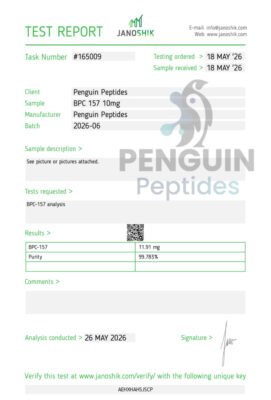
| MG | 10 mg, 5 mg |
|---|
Related products
Recovery Research
Price range: €39.00 through €60.00
Recovery Research
€67.00
Anti-aging Research
€124.00
Brain Research
€40.00
Sexual Research
€42.00
Anti-aging Research
Price range: €30.00 through €115.00
Recovery Research
€62.00
Brain Research
Price range: €55.00 through €80.00