
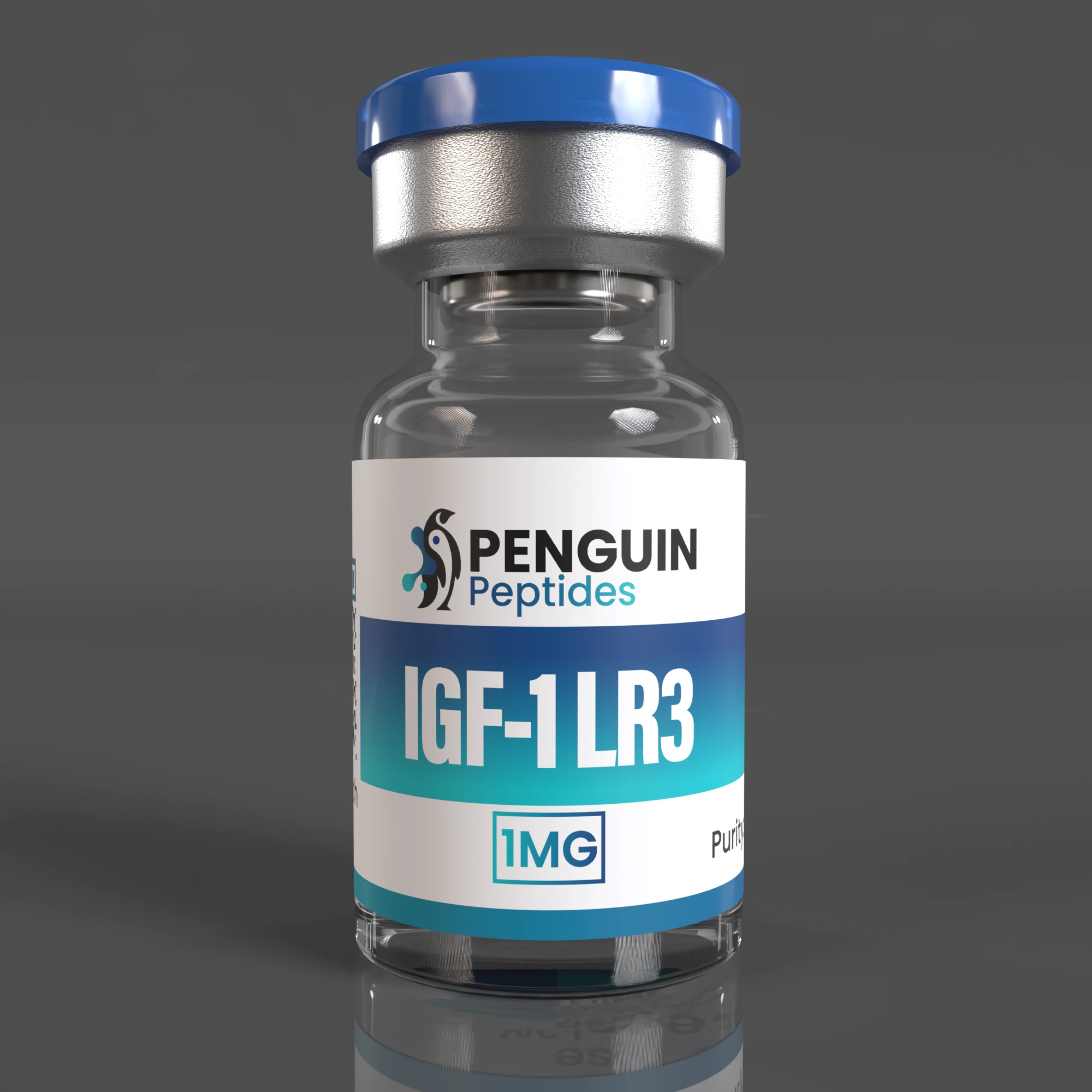
The Ultimate Guide to IGF-1 LR3: Benefits, Dosage, and Side Effects
In the world of performance enhancement and peptide research, few compounds generate as much interest as IGF-1 LR3. Known for its profound effects on muscle growth, cellular repair, and nutrient partitioning, this modified growth factor has become a staple in advanced scientific studies and bodybuilding circles.
But what exactly is IGF-1 LR3, and how does it differ from standard Insulin-like Growth Factor 1? In this comprehensive guide, we will explore the science, potential benefits, research dosages, and side effects of this peptide.
What is IGF-1 LR3?
IGF-1 LR3 (Long R3 Insulin-like Growth Factor 1) is a synthetic, modified version of the naturally occurring hormone IGF-1. To understand its unique properties, we have to look at its name:
- Long: The peptide has an extended N-terminal sequence (an extra 13 amino acids at the beginning), which significantly increases its stability in the body.
- R3: The amino acid Arginine (R) has been substituted for Glutamic acid (E) at position 3.
Why does this matter? In its natural state, IGF-1 binds heavily to IGF-binding proteins (IGFBPs) in the bloodstream, which limits its effectiveness. The “R3” modification drastically reduces its affinity for these binding proteins. As a result, IGF-1 LR3 remains “free” and active in the bloodstream for much longer, making it significantly more potent than standard IGF-1.
IGF-1 LR3 vs. Regular IGF-1: The Half-Life Difference
The most notable difference between standard IGF-1 and IGF-1 LR3 is their half-lives.
- Regular IGF-1 has a half-life of roughly 10 to 15 minutes, requiring frequent administration.
- IGF-1 LR3 boasts an extended half-life of approximately 20 to 30 hours.
Because of this extended half-life, researchers and users do not need to administer the peptide multiple times a day, allowing for a more sustained release of anabolic signaling in the body.
Potential Benefits of IGF-1 LR3
In research and anecdotal fitness communities, IGF-1 LR3 is highly sought after for several specific physiological effects:
1. Muscle Hypertrophy and Hyperplasia
While standard anabolic hormones primarily cause hypertrophy (the enlargement of existing muscle cells), IGF-1 is unique because it is believed to promote hyperplasia—the splitting and creation of entirely new muscle cells. This makes it a highly researched compound for long-term muscle tissue expansion.
2. Enhanced Nutrient Partitioning
IGF-1 LR3 improves the body’s ability to shuttle nutrients (like glucose and amino acids) into muscle cells rather than storing them as fat. This results in a more efficient recovery process and a leaner physique.
3. Accelerated Recovery and Tissue Repair
Because IGF-1 is a primary mediator of cellular growth and repair, it can drastically reduce recovery time between intense workouts. It also aids in the repair of connective tissues, tendons, and ligaments.
4. Systemic vs. Localized Growth
Unlike some growth factors that only work locally where injected, IGF-1 LR3 is highly systemic. Once it enters the bloodstream, it circulates and promotes growth and repair throughout the entire body.
General Research Guidelines for IGF-1 LR3 Dosage
Note: Because IGF-1 LR3 is a research chemical, there are no official medical dosage guidelines. The following information is based on common practices in clinical research and anecdotal bodybuilding logs.
When researching IGF-1 LR3, dosage protocols generally depend on the user’s experience level and goals:
- Beginner Research Dose: 20 to 30 mcg (micrograms) per day.
- Advanced Research Dose: 40 to 50 mcg per day. Doses exceeding 50 mcg are rarely used due to the sharply increased risk of side effects.
Timing of Administration: Because of its 20-30 hour half-life, IGF-1 LR3 is typically administered once daily. Many researchers prefer to inject it post-workout to capitalize on the body’s natural recovery state, or on rest days to maintain elevated systemic levels. Some also utilize “pin-point” injections, injecting directly into the muscle trained that day, though its systemic nature makes this largely optional.
Potential Side Effects and Risks
While the anabolic benefits of IGF-1 LR3 are well-documented in research, it is a powerful compound that carries significant risks if misused.
- Hypoglycemia (Low Blood Sugar): IGF-1 shares a similar molecular structure with insulin. High doses can cause blood glucose levels to drop dangerously low, leading to dizziness, shaking, or fainting.
- Organ Growth: Prolonged, high-dose use of growth factors can lead to the enlargement of internal organs (visceral growth), including the intestines and heart.
- Tumor Stimulation: IGF-1 promotes cellular growth. If a user has pre-existing, undiagnosed tumors or cancer cells, IGF-1 LR3 can accelerate their growth.
- Injection Site Reactions: As with any injectable peptide, there is a risk of pain, redness, or infection at the injection site.
Legal Status and Sports Compliance
It is crucial to understand the legal and regulatory status of IGF-1 LR3:
- FDA Status: In the United States, IGF-1 LR3 is not approved by the FDA for human use or medical treatment. It is legally sold and distributed only as a research chemical for in-vitro and laboratory studies.
- WADA Status: IGF-1 (and its analogs like LR3) is strictly prohibited by the World Anti-Doping Agency (WADA) and all major sports federations. It falls under the S2 category of prohibited peptide hormones.
Frequently Asked Questions (FAQ)
What does the “R3” in IGF-1 LR3 mean? The “R3” indicates that the amino acid at position 3 has been substituted with Arginine (R). This modification prevents the peptide from binding to IGF-binding proteins, keeping it active in the bloodstream for a longer period.
How long is the half-life of IGF-1 LR3? The half-life of IGF-1 LR3 is approximately 20 to 30 hours, compared to just 10-15 minutes for standard IGF-1.
Does IGF-1 LR3 cause “gut” or bloating? Unlike HGH (Human Growth Hormone), which can cause water retention and “HGH gut” over long periods, IGF-1 LR3 is less likely to cause severe water retention. However, extreme, long-term abuse of any growth factor can contribute to visceral organ growth.
Conclusion
This peptide represents a highly advanced tool in the study of cellular growth, muscle hypertrophy, and tissue repair. Its modified structure grants it a vastly superior half-life and potency compared to natural IGF-1. However, its powerful anabolic capabilities come with equally potent risks, including hypoglycemia and cellular overgrowth.
As always, any research involving powerful peptides like this should be conducted with a deep understanding of the underlying science, strict adherence to safety protocols, and under the supervision of qualified medical or scientific professionals. Get the best peptide bundle deals here!
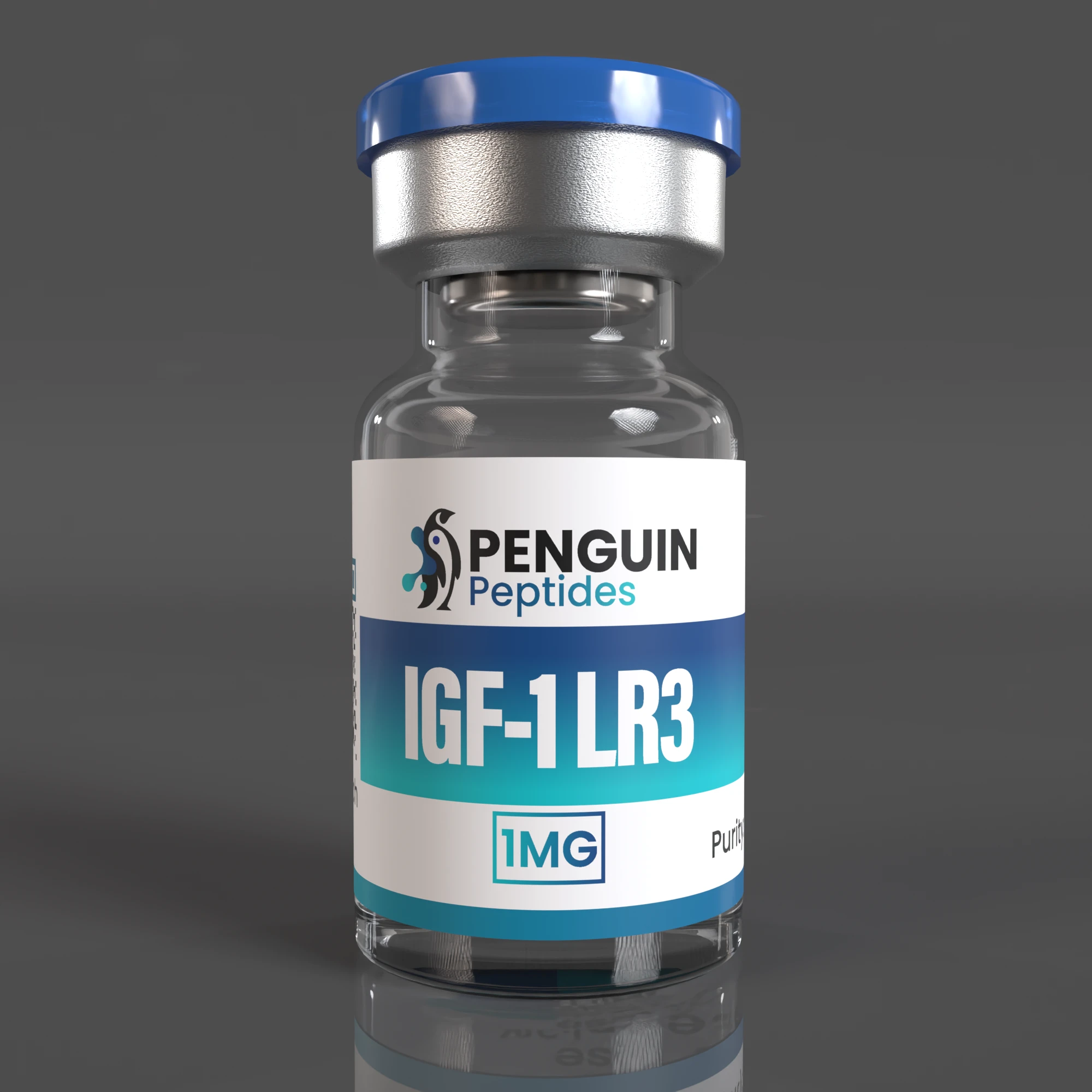
Related products
Recovery Research
Price range: €42.00 through €62.00
Recovery Research
Price range: €39.00 through €60.00
Recovery Research
€57.00
Recovery Research
€62.00
Recovery Research
Price range: €54.00 through €105.00
Anti-aging Research
€124.00
Recovery Research
€67.00
Anti-aging Research
€52.00