
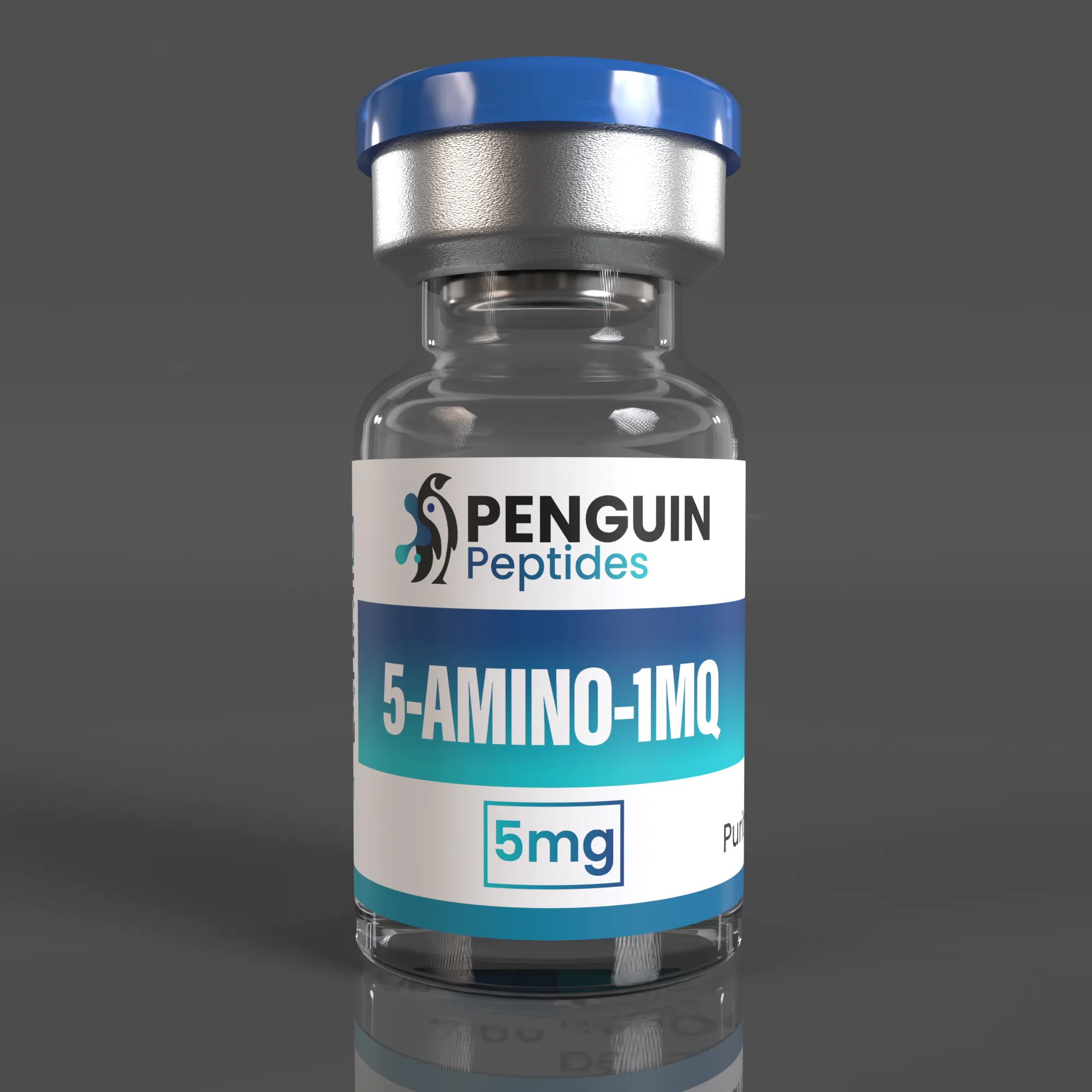
Buy 5-Amino-1MQ
Price range: €37.00 through €85.00
In the rapidly evolving world of biohacking and longevity research, new compounds are constantly emerging to help us optimize health and extend healthspan. One molecule that has recently captured the attention of the anti-aging community is 5-Amino-1MQ (chemically known as 5-amino-1-methylquinolinium).
What is 5-Amino-1MQ? The Ultimate Guide to This Longevity Compound
In the rapidly evolving world of biohacking and longevity research, new compounds are constantly emerging to help us optimize health and extend healthspan. One molecule that has recently captured the attention of the anti-aging community is 5-amino-1-methylquinolinium).
But what exactly is this compound, and how does it work? In this comprehensive guide, we will explore the science behind 5-Amino-1MQ, its potential benefits, how it compares to other longevity molecules, and what current research says about its use.
What is 5-Amino-1MQ (5-amino-1-methylquinolinium)?
5-Amino-1MQ, or 5-amino-1-methylquinolinium, is a synthetic small molecule that has been developed primarily for its potential to activate sirtuins. Sirtuins are a family of proteins (SIRT1 through SIRT7) that play a crucial role in regulating cellular health, DNA repair, and aging.
Often referred to as a SIRT1-activating compound (STAC), 5-Amino-1MQ is designed to mimic the biological effects of caloric restriction and exercise—two of the most proven methods for extending lifespan in animal models. By targeting these specific cellular pathways, 5-amino-1-methylquinolinium aims to promote cellular resilience and delay the onset of age-related decline.
How Does 5-Amino-1MQ Work?
The primary mechanism of action for 5-Amino-1MQ revolves around the activation of SIRT1, often dubbed the “longevity gene.” Here is a breakdown of how it influences cellular health:
- SIRT1 Activation: 5-Amino-1MQ binds to and activates the SIRT1 enzyme. Once activated, SIRT1 deacetylates target proteins, which helps regulate inflammation, improve metabolic function, and protect against cellular stress.
- Mitochondrial Support: By enhancing SIRT1 activity, 5-amino-1-methylquinolinium supports mitochondrial biogenesis (the creation of new mitochondria) and improves overall mitochondrial function, which is vital for cellular energy production.
- Reduction of Cellular Senescence: Aging cells, or “senescent cells,” stop dividing but refuse to die, releasing inflammatory chemicals that damage surrounding tissue. 5-Amino-1MQ is researched for its potential to help clear these cells or prevent their accumulation.
Potential Benefits of 5-Amino-1MQ
While much of the research on this is still in the preclinical or early clinical stages, the potential benefits suggested by longevity researchers are highly promising:
1. Anti-Aging and Longevity
By activating sirtuins and promoting DNA repair, it may help slow down the biological aging process at the cellular level, potentially extending healthspan (the number of years lived in good health).
2. Metabolic Health and Insulin Sensitivity
SIRT1 activation is closely linked to improved glucose metabolism and insulin sensitivity. Early data suggests that 5-amino-1-methylquinolinium could help regulate blood sugar levels and support healthy weight management.
3. Neuroprotection
The brain is highly susceptible to oxidative stress and aging. Because SIRT1 plays a role in neuroprotection, 5-Amino-1MQ is being studied for its potential to support cognitive function, enhance memory, and protect against neurodegenerative decline.
4. Enhanced Cellular Repair
Through the promotion of autophagy (the body’s way of cleaning out damaged cells) and DNA repair mechanisms, this compound helps maintain the structural integrity of cells against environmental and metabolic stressors.
5-Amino-1MQ vs. Other Longevity Compounds
How does 5-Amino-1MQ stack up against other popular biohacking supplements?
- vs. Resveratrol: Resveratrol is a natural STAC, but it suffers from poor bioavailability. 5-Amino-1MQ is a synthetic alternative designed to be more stable and easily absorbed by the body, potentially offering more consistent SIRT1 activation.
- vs. NMN and NR: While NMN (Nicotinamide Mononucleotide) and NR (Nicotinamide Riboside) focus on boosting NAD+ levels (which sirtuins require to function), 5-Amino-1MQ directly targets the activation of the sirtuin enzymes themselves. Many biohackers actually stack them together for a synergistic effect.
- vs. Rapamycin: Rapamycin inhibits mTOR to promote autophagy but can have immunosuppressive side effects. 5-Amino-1MQ offers a different pathway (SIRT1 activation) that is generally considered to have a more favorable safety profile for daily use.
Dosage, Safety, and Side Effects
Because 5-amino-1-methylquinolinium is a relatively new entrant to the longevity market, standardized human dosing guidelines are still being established. In the biohacking community, typical dosages range from 50 mg to 200 mg per day, often taken in the morning to align with the body’s natural circadian rhythms.
Safety Profile: Current anecdotal reports and early research suggest that this peptide is well-tolerated. However, as with any novel compound, potential side effects could include mild gastrointestinal discomfort or headaches. Long-term human safety data is still pending, which is why cycling the compound (e.g., taking it for a few months, then taking a break) is a common practice among experienced users.
Frequently Asked Questions (FAQs)
It is the same as 5-amino-1-methylquinolinium? Yes. 5-amino-1-methylquinolinium is the full chemical name for the compound commonly abbreviated as 5-Amino-1MQ.
Can I stack 5-Amino-1MQ with NMN or Resveratrol? Yes, many longevity enthusiasts stack 5-Amino-1MQ with NAD+ boosters like NMN or NR. Because sirtuins require NAD+ to function, providing both the fuel (NAD+) and the activator (5-Amino-1MQ) is a popular biohacking strategy.
When is the best time to take 5-Amino-1MQ? Because sirtuin activity is linked to circadian rhythms and fasting states, many users prefer to take 5-Amino-1MQ in the morning, ideally in a fasted state, to maximize its cellular benefits.
Conclusion
5-amino-1-methylquinolinium represents an exciting frontier in the science of longevity. By directly targeting SIRT1 activation, this compound offers a promising approach to supporting metabolic health, cellular repair, and healthy aging. While more rigorous human clinical trials are needed to fully understand its long-term efficacy, it has already secured a place in the toolkit of forward-thinking biohackers and longevity researchers.
As always, stay informed, prioritize high-quality sources, and consult with a medical professional to determine if it is the right addition to your health optimization protocol. Buy best selling research peptides with new penguin peptides.
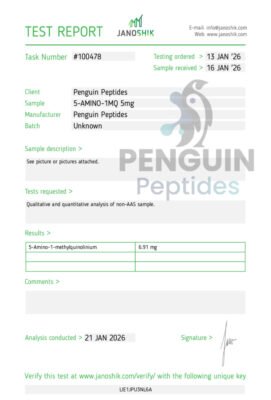
| MG | 5 mg, 50mg |
|---|
Related products
Obesity Research
Price range: €64.00 through €450.00
Anti-aging Research
Price range: €47.00 through €70.00
Obesity Research
€55.00
Obesity Research
Price range: €164.00 through €355.00
Obesity Research
Price range: €65.00 through €195.00
Obesity Research
Price range: €59.00 through €150.00
Obesity Research
€44.00
Immune Research
Price range: €59.00 through €95.00