
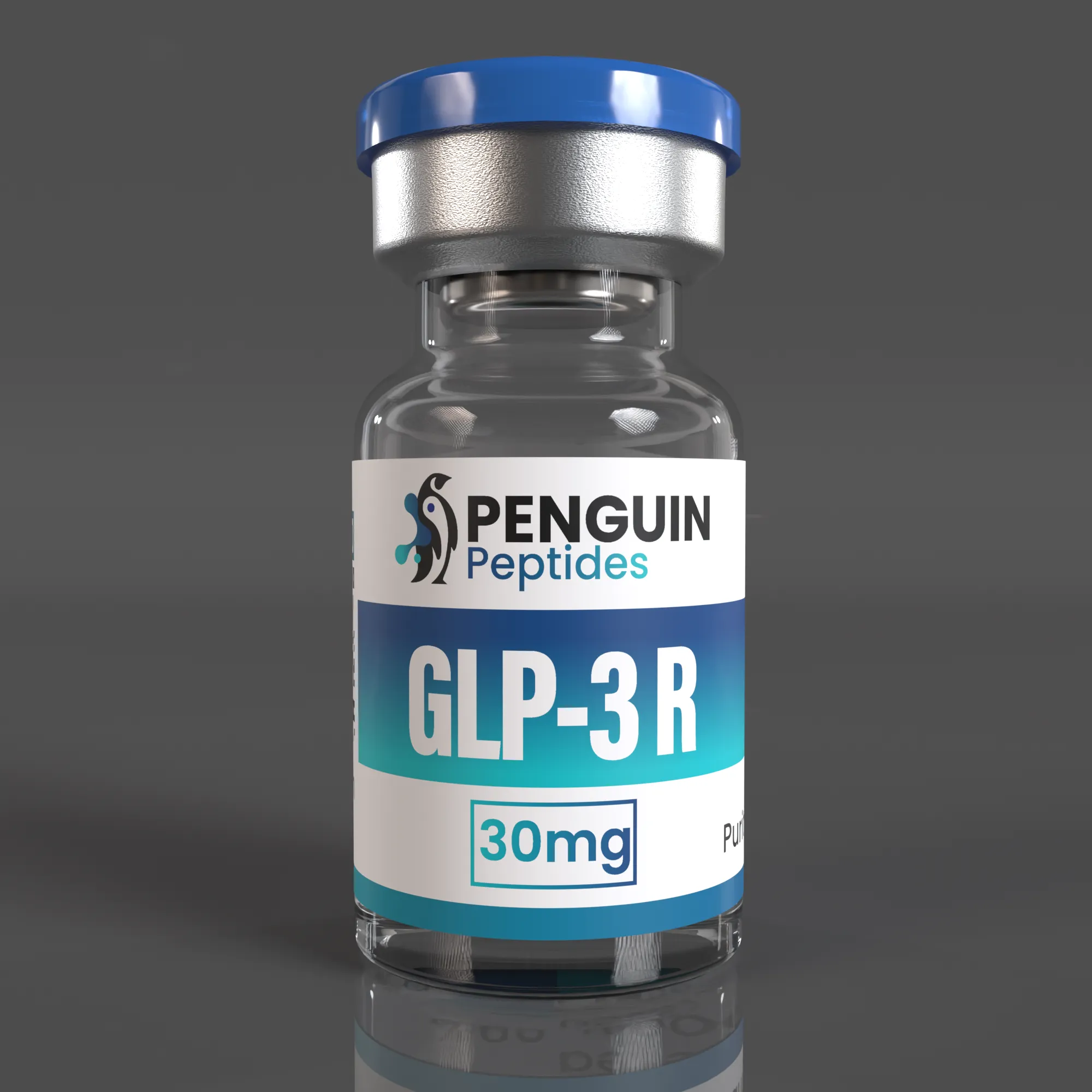
Buy GLP-3 Retatrutide – 5mg-60mg
Price range: €64.00 through €450.00
In the rapidly evolving field of metabolic and endocrinological research, few compounds have generated as much scientific interest as Retatrutide (LY3437943). Frequently indexed and searched in research databases as GLP-3 Retatrutide – 5mg-60mg, this novel peptide represents a massive leap forward in the study of hormone receptor agonists.
Comprehensive Research Profile: Retatrutide (5mg-60mg)
In the rapidly evolving field of metabolic and endocrinological research, few compounds have generated as much scientific interest as Retatrutide (LY3437943). Frequently indexed and searched in research databases as GLP-3 Retatrutide – 5mg-60mg, this novel peptide represents a massive leap forward in the study of hormone receptor agonists.
While the search term “GLP-3” is commonly used by researchers looking for this compound, it is important to clarify that Retatrutide is scientifically classified as a triple hormone receptor agonist, targeting GLP-1, GIP, and Glucagon receptors. Available in research vial sizes ranging from 5mg to 60mg, Retatrutide is currently a primary focus in preclinical studies regarding metabolic regulation, energy expenditure, and receptor affinity.
What is Retatrutide? (Mechanism of Action)
GLP-3 Retatrutide – 5mg-60mg is a single-molecule peptide designed to simultaneously activate three distinct incretin and metabolic hormone receptors. This “triple agonist” profile sets it apart from earlier generation research peptides.
- GLP-1 (Glucagon-Like Peptide-1) Receptor Agonism: Promotes satiety signaling and slows gastric emptying in preclinical models.
- GIP (Glucose-Dependent Insulinotropic Polypeptide) Receptor Agonism: Enhances metabolic flexibility and works synergistically with GLP-1 pathways.
- Glucagon Receptor Agonism: This is the defining feature of Retatrutide. Glucagon agonism is studied for its ability to increase energy expenditure and stimulate hepatic lipid oxidation.
By combining these three pathways, researchers are studying how Retatrutide influences metabolic markers far beyond what single or dual agonists can achieve.
Understanding the 5mg-60mg Research Vial Range
When sourcing peptides for laboratory use, the GLP-3 Retatrutide – 5mg-60mg dosage range typically refers to the lyophilized (freeze-dried) powder quantities found in research vials, rather than a single administered dose. Because Retatrutide is highly potent, these vials are used by laboratories to create multi-dose stock solutions.
Low-Dose Research Tiers (5mg – 15mg Vials)
Smaller vials in the 5mg to 15mg range are ideal for:
- In vitro cell line studies: Testing receptor binding affinity and cellular response.
- Initial titration studies: Allowing researchers to map out dose-response curves in animal models without wasting expensive peptide material.
- Short-term pilot studies: Evaluating acute metabolic responses over a few days.
High-Dose Research Tiers (20mg – 60mg Vials)
Larger bulk vials, such as the 60mg size, are generally reserved for:
- Long-term preclinical trials: Studies requiring continuous administration over several weeks or months.
- Stock solution preparation: Reconstituting a large batch of the peptide into a stable liquid solution for consistent daily or weekly laboratory use.
- High-dose efficacy mapping: Pushing the upper limits of receptor saturation to study potential downstream effects on hepatic fat reduction and energy expenditure.
Note: In human clinical trials, Retatrutide dosing is carefully titrated and generally maxes out at much lower weekly intervals. A 60mg vial represents a bulk research quantity meant to be reconstituted and divided into multiple micro-doses.
Reconstitution and Storage Guidelines for Researchers
To maintain the structural integrity of the GLP-3 Retatrutide – 5mg-60mg peptide, proper handling is critical.
- Lyophilized Storage: Unreconstituted peptide vials should be stored in a cool, dark environment, ideally between 2°C and 8°C (refrigerated). Avoid repeated temperature fluctuations.
- Reconstitution: Researchers typically use sterile bacteriostatic water to reconstitute the powder. The vial should be swirled gently—never shaken vigorously—to prevent the denaturing of the peptide bonds.
- Post-Reconstitution: Once mixed, the solution must be kept refrigerated and used within a specific timeframe (usually 14 to 30 days, depending on the concentration and storage conditions) to prevent degradation.
Current Research Applications
Laboratories are currently utilizing Retatrutide to investigate several key areas of metabolic science:
- Hepatic Steatosis: Studying the peptide’s ability to reduce liver fat via glucagon-mediated lipid oxidation.
- Receptor Synergy: Mapping how GLP-1 and GIP pathways amplify each other when combined with glucagon.
- Energy Expenditure: Measuring basal metabolic rate changes in preclinical models.
Frequently Asked Questions (FAQ)
Why is Retatrutide sometimes called a “GLP-3”? The term “GLP-3” is a common misnomer in peptide search engines and forums. There is no GLP-3 receptor. Retatrutide is a GLP-1/GIP/Glucagon triple agonist. However, because search algorithms often associate novel metabolic peptides with the “GLP” prefix, the search term GLP-3 Retatrutide – 5mg-60mg has become a common keyword for researchers looking to purchase or study the compound.
Is a 60mg vial meant for a single use? No. Retatrutide is highly concentrated. A 60mg vial is a bulk research quantity intended to be reconstituted with bacteriostatic water and divided into dozens of individual micro-doses for laboratory or preclinical use.
How does Retatrutide differ from Tirzepatide? Tirzepatide is a dual agonist (GLP-1 and GIP). Retatrutide adds a third mechanism of action: Glucagon receptor agonism, which is specifically studied for its ability to increase energy expenditure and burn lipids.
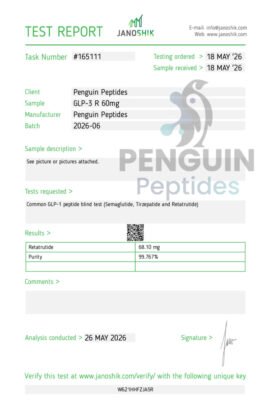
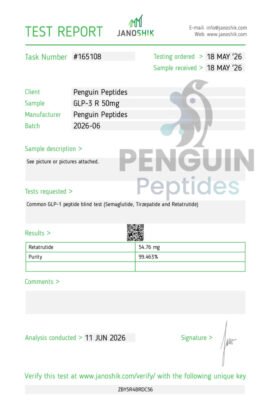
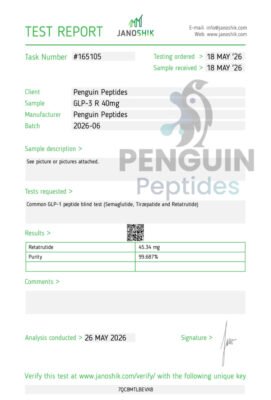
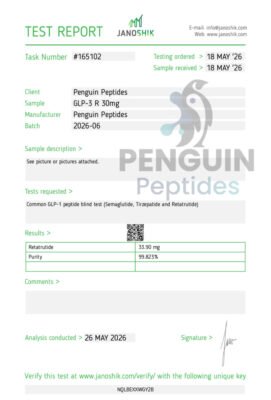
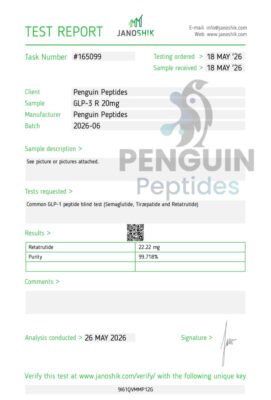
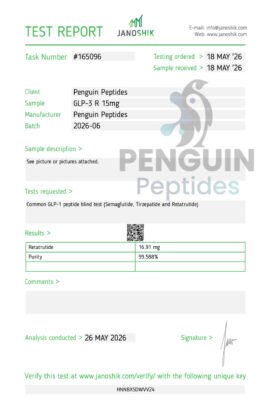
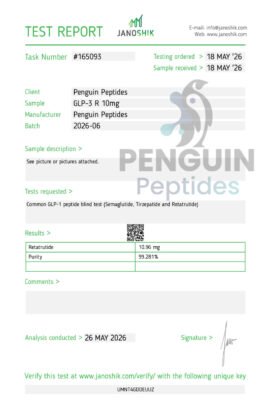
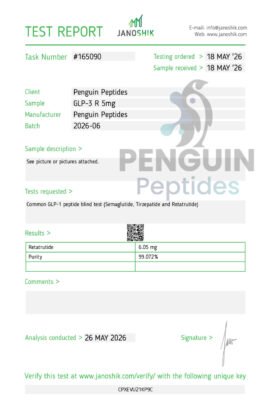
| MG | 10 mg, 100 mg, 15 mg, 20 mg, 30 mg, 40mg, 5 mg, 50mg, 60mg |
|---|
Related products
Obesity Research
Price range: €65.00 through €195.00
Obesity Research
€55.00
Obesity Research
Price range: €72.00 through €130.00
Obesity Research
Price range: €164.00 through €355.00
Obesity Research
Price range: €45.00 through €525.00
Obesity Research
Price range: €59.00 through €150.00
Obesity Research
€55.00
Obesity Research
€44.00